Category: Canada

  • The Historic Significance of Old Montreal

    The Historic Significance of Old Montreal

    A Glimpse into Old Montreal’s Rich History

    Old Montreal is a captivating district that reflects the rich history and culture of Canada. Nestled along the banks of the St. Lawrence River, this area is known for its cobblestone streets, stunning architecture, and vibrant atmosphere. Historically, it served as the heart of the city and a hub for trade, commerce, and cultural exchange.

    Old Montreal,Historic Architecture,Montreal River

    The Colonial Era: Beginnings of a City

    The area’s significance dates back to its founding in 1642 by Paul Chomedey de Maisonneuve and a group of settlers. As one of the earliest settlements in North America, Old Montreal became a strategic point for French and later British colonial interests. The remnants of French colonial architecture, such as the Notre-Dame Basilica and the Bonsecours Market, showcase the blend of European influence in the New World.

    Modern-day Charm and Cultural Heritage

    Today, Old Montreal remains a vibrant cultural hub, attracting visitors with its blend of historical charm and modern attractions. The district offers numerous museums, galleries, shops, and restaurants that celebrate Montreal’s French-Canadian heritage. Events like the Montreal International Jazz Festival further highlight the area’s cultural significance.

    Modern Old Montreal,Street Life,Cultural Festivals

    Preserving the Legacy

    Preservation efforts have played a crucial role in maintaining Old Montreal’s historical integrity. Initiatives by local governments and communities ensure that the architectural heritage is protected, allowing future generations to experience this important part of Canadian history.

    Conclusion: A Must-Visit Destination

    Old Montreal stands as a testament to the city’s rich past and vibrant present. Its unique mixture of history, culture, and modern life makes it not only a significant geographical location but also a must-visit destination for anyone exploring Canada.

    To truly appreciate the depth of Old Montreal’s significance, plan a visit and immerse yourself in its unique charm.

  • Shakshuka: A Flavorful Dish from Lebanon

    Shakshuka: A Flavorful Dish from Lebanon

    Shakshuka: Un Plat Savoureux du Liban

    La Shakshuka est un plat délicieux composé d’œufs pochés dans une sauce tomate épicée. Idéal pour un brunch ou un dîner léger, ce plat simple va vous ravir !

    Ingrédients :

    • 2 cuillères à soupe d’huile d’olive
    • 1 oignon, haché
    • 2 gousses d’ail, émincées
    • 1 poivron rouge, coupé en dés
    • 1 boîte de tomates en dés (400g)
    • 4 œufs
    • Sel et poivre au goût
    • Piment rouge (optionnel)
    • Coriandre fraîche pour garnir

    Instructions :

    1. Chauffez l’huile d’olive dans une poêle à feu moyen.
    2. Ajoutez l’oignon, l’ail et le poivron rouge, et faites revenir jusqu’à tendreté.
    3. Incorporez les tomates, assaisonnez, et laissez mijoter pendant 10 minutes.
    4. Faites des petits puits dans la sauce et cassez les œufs. Couvrez la poêle jusqu’à ce que les œufs soient cuits.
    5. Garnissez de coriandre fraîche et servez chaud avec du pain.

    shakshuka,lebanese dish,eggs in sauce

    Shakshuka: A Flavorful Dish from Lebanon

    Shakshuka is a delicious dish of poached eggs in a spicy tomato sauce. Perfect for brunch or a light dinner, this simple recipe will delight you!

    Ingredients:

    • 2 tablespoons olive oil
    • 1 onion, chopped
    • 2 garlic cloves, minced
    • 1 red bell pepper, diced
    • 1 can diced tomatoes (400g)
    • 4 eggs
    • Salt and pepper to taste
    • Red chili (optional)
    • Fresh cilantro for garnish

    Instructions:

    1. Heat the olive oil in a skillet over medium heat.
    2. Add the onion, garlic, and red bell pepper, and sauté until tender.
    3. Stir in the tomatoes, season, and simmer for about 10 minutes.
    4. Create small wells in the sauce and crack in the eggs. Cover the skillet until the eggs are cooked.
    5. Garnish with fresh cilantro and serve hot with bread.

    shakshuka recipe,vegetable eggs,lebanese cuisine

    شاكشوكة: طبق لذيذ من لبنان

    الشاكشوكة هي طبق لذيذ يتكون من بيض مُفَرَض في صلصة الطماطم الحارة. مثالي للبرانش أو العشاء الخفيف، ستبهرك هذه الوصفة البسيطة!

    المكونات:

    • 2 ملعقة كبيرة زيت زيتون
    • 1 بصلة، مفرومة
    • 2 فص ثوم، مفروم
    • 1 فليفلة حمراء، مقطعة إلى مكعبات
    • 1 علبة طماطم مفرومة (400غ)
    • 4 بيضات
    • ملح وفلفل حسب الذوق
    • فلفل حار (اختياري)
    • بقدونس طازج للتزيين

    طريقة التحضير:

    1. سخن زيت الزيتون في مقلاة على نار متوسطة.
    2. أضف البصل والثوم والفليفلة الحمراء، واطهها حتى تنضج.
    3. اخلط الطماطم، وتبّلها، واتركها تغلي لمدة 10 دقائق.
    4. اصنع تجاويف صغيرة في الصلصة وكسر البيض. غطّ المقلاة حتى ينضج البيض.
    5. زيني بالبقدونس الطازج وقدميها ساخنة مع الخبز.

    shakshuka traditional,arabic food,poached eggs

  • The Iconic Château Frontenac: A Timeless Symbol of Quebec City

    The Iconic Château Frontenac: A Timeless Symbol of Quebec City

    The Historical Significance of Château Frontenac

    Château Frontenac, located in the heart of Quebec City, is not just a remarkable architectural feat but also a cornerstone of Canadian history. Built in 1893, this magnificent hotel has attracted countless visitors and dignitaries, serving as a symbol of luxury and hospitality in Canada.

    A Glimpse into the Past

    The hotel’s design, inspired by French château aesthetics, reflects the rich cultural heritage of Quebec. It was constructed as part of a series of grand hotels intended to attract tourists traveling by train to Canada. Over the years, Château Frontenac has hosted various significant events, including conferences and celebrations that have influenced the country’s history.

    old photo,château frontenac,queebec city

    Modern Day Charm and Status

    Today, the Château Frontenac remains a must-visit destination, renowned for both its historical significance and its luxurious amenities. It has been designated a National Historic Site of Canada, drawing both tourists and locals alike who wish to experience its grandeur. The hotel continues to serve as a premier venue for high-profile events, keeping its legacy alive.

    Image placeholder for: new photo,château frontenac,quebec city

    Unable to load image at this time

    A Beautiful Blend of Past and Present

    The timeless elegance of Château Frontenac reminds visitors of Quebec’s French heritage while embracing modern hospitality standards. Its stunning views of the St. Lawrence River and the Old Quebec skyline make it a focal point of the city.

    Conclusion: A Jewel of Quebec City

    Château Frontenac is more than just a hotel; it’s a living history lesson and an architectural marvel that continues to inspire awe. Whether experiencing its luxurious accommodations or admiring its majestic facade, visitors leave with a sense of the significance this landmark holds in Canada.

    For those planning a visit to Quebec City, make sure to include this iconic site on your itinerary. Immerse yourself in its rich history and enjoy the stunning views that have captivated visitors for over a century.

  • Spaghetti Aglio e Olio: A Classic Italian Dish

    Spaghetti Aglio e Olio: A Classic Italian Dish

    Spaghetti Aglio e Olio

    Recette en Français

    Spaghetti Aglio e Olio est un plat italien simple et savoureux. Idéal pour un dîner rapide, voici comment le préparer :

    • Ingrédients :
      • 400g de spaghetti
      • 4 gousses d’ail, émincées
      • 100ml d’huile d’olive
      • 1 piment rouge, émincé (facultatif)
      • Persil frais, haché
      • Sel et poivre au goût

    Instructions :

    1. Faites cuire les spaghetti dans de l’eau salée jusqu’à ce qu’ils soient al dente.
    2. Dans une grande poêle, chauffez l’huile et faites revenir l’ail jusqu’à ce qu’il soit doré.
    3. Ajoutez le piment et le persil, puis incorporez les spaghetti égouttés.
    4. Assaisonnez avec du sel et du poivre. Servez chaud.spaghetti,italian,cooking

    Recipe in English

    Spaghetti Aglio e Olio is a classic Italian dish that’s both simple and delicious. Perfect for a quick dinner, here’s how to make it:

    • Ingredients:
      • 400g spaghetti
      • 4 cloves garlic, minced
      • 100ml olive oil
      • 1 red chili, sliced (optional)
      • Fresh parsley, chopped
      • Salt and pepper to taste

    Instructions:

    1. Cook the spaghetti in salted water until al dente.
    2. In a large skillet, heat the oil and sauté the garlic until golden.
    3. Add the chili and parsley, then toss in the drained spaghetti.
    4. Season with salt and pepper. Serve hot.spaghetti,italian,cooking

    Ricetta originale in italiano

    Spaghetti Aglio e Olio è un piatto tradizionale italiano, semplice ma ricco di sapore. Ecco come prepararlo:

    • Ingredienti:
      • 400g di spaghetti
      • 4 spicchi d’aglio, tritati
      • 100ml di olio d’oliva
      • 1 peperoncino rosso, affettato (opzionale)
      • Prezzemolo fresco, tritato
      • Sale e pepe a piacere

    Istruzioni:

    1. Cucina gli spaghetti in acqua salata fino a cottura al dente.
    2. In una grande padella, scalda l’olio e fai soffriggere l’aglio fino a doratura.
    3. Aggiungi il peperoncino e il prezzemolo, quindi unisci gli spaghetti scolati.
    4. Condisci con sale e pepe. Servi caldo.spaghetti,italian,cooking
  • Discovering the Rich Heritage of the Cabot Trail in Nova Scotia

    The Cabot Trail: A Jewel of Nova Scotia

    Nestled on the stunning Cape Breton Island, the Cabot Trail is more than just a scenic drive; it’s a testament to Nova Scotia’s rich cultural and natural heritage. This serpentine route weaves through the breathtaking landscapes of the Cape Breton Highlands, offering travelers a unique blend of history, culture, and awe-inspiring vistas.

    A Historical Lens

    The Cabot Trail was officially named in 1928, honoring John Cabot, an Italian explorer who is believed to have been the first European to set foot on North America in 1497. This route has been vital for both Indigenous peoples and settlers alike, serving as a pathway that connects communities with their stunning surroundings.

    Cabot Trail, old photo, historical significance

    The Trail’s historical significance is underscored by the iconic landscapes that reveal the life and culture of the Mi’kmaq people, the original inhabitants of the region. Visitors can learn about their rich traditions and contributions to this land through various cultural experiences.

    Natural Wonders Await

    The peace of the Cabot Trail resonates with outdoor enthusiasts and nature lovers. With its stunning coastal views, the trail features numerous hiking trails, wildlife sightings, and the majestic Cape Breton Highlands National Park. This park is a sanctuary for biodiversity, boasting numerous species of plants and animals.

    Image placeholder for: Cabot Trail, new photo, scenic view

    Unable to load image at this time

    Tourism and Community Impact

    Today, the Cabot Trail is a vital part of Nova Scotia’s tourism economy, attracting thousands of visitors annually. Local businesses flourish alongside the trail, providing opportunities for artisans and promoting the unique culture of the region. Festivals celebrating Celtic music, local cuisine, and outdoor activities further enrich the visitor experience.

    A Journey Worth Taking

    Driving the Cabot Trail is more than just a beautiful experience; it’s an opportunity for connection with both nature and culture. As you navigate its twists and turns, you’re not just witnessing breathtaking landscapes but also stepping into a rich tapestry of history that defines the spirit of Nova Scotia.

    Explore the Cabot Trail

    Whether you’re seeking adventure or a quiet retreat, the Cabot Trail invites you to leave your footprints along its remarkable paths. Prepare for a journey that promises stunning views, intriguing history, and heartfelt encounters with the community.

    Ready to explore the Cabot Trail? Plan your adventure today!

  • Kebbeh: A Flavorful Syrian Dish from Syria

    Kebbeh: A Flavorful Syrian Dish from Syria

    Kebbeh: Un Plat Délicieux de Syrie

    Envie d’un plat savoureux et réconfortant? Essayer le Kebbeh, un incontournable de la cuisine syrienne!

    Ingrédients

    • 500g de viande hachée (agneau ou boeuf)
    • 250g de boulgour fin
    • 1 oignon, haché finement
    • 1/2 cuillère à café de piment
    • Sel et poivre au goût
    • Huile d’olive

    Instructions

    1. Rincez le boulgour et laissez-le tremper dans l’eau chaude pendant 30 minutes.
    2. Dans un bol, mélangez la viande, l’oignon, le piment, le sel, le poivre et le boulgour égoutté.
    3. Formez des boules ou des disques avec le mélange.
    4. Faites chauffer l’huile d’olive dans une poêle et faites frire les Kebbeh jusqu’à ce qu’ils soient dorés.

    kebbeh,syrain food,delicious dish

    Kebbeh: A Flavorful Syrian Dish

    Looking for a tasty and comforting dish? Try Kebbeh, a staple of Syrian cuisine!

    Ingredients

    • 500g ground meat (lamb or beef)
    • 250g fine bulgur
    • 1 onion, finely chopped
    • 1/2 teaspoon of chili
    • Salt and pepper to taste
    • Olive oil

    Instructions

    1. Rinse bulgur and let it soak in hot water for 30 minutes.
    2. In a bowl, mix the meat, onion, chili, salt, pepper, and drained bulgur.
    3. Form balls or discs with the mixture.
    4. Heat olive oil in a pan and fry the Kebbeh until golden brown.

    kebbeh,simple recipe,healthy food

    كبة: طبق سوري لذيذ

    إذا كنت ترغب في طبق لذيذ ومريح، جرب الكبة، وهي من الأطباق الأساسية في المطبخ السوري!

    المكونات

    • 500 جرام لحم مفروم (ضأن أو بقر)
    • 250 جرام برغل ناعم
    • 1 بصلة، مفرومة جيداً
    • نصف ملعقة صغيرة من الفلفل الحار
    • ملح وفلفل حسب الذوق
    • زيت الزيتون

    التحضير

    1. اغسل البرغل واتركه منقوعاً في الماء الساخن لمدة 30 دقيقة.
    2. في وعاء، اخلط اللحم، البصل، الفلفل، الملح، الفلفل، والبرغل المصفى.
    3. شكل كرات أو أقراص من المزيج.
    4. سخن زيت الزيتون في مقلاة واقلي الكبة حتى يصبح لونها ذهبياً.

    kebbeh,syrian culture,authentic recipe

  • The Historic Significance of Fort Edward National Historic Site

    The Historic Significance of Fort Edward National Historic Site

    Unveiling Fort Edward’s Historical Importance

    Fort Edward, located in Windsor, Nova Scotia, stands as a monument to Canadian history and military architecture. Established in 1750, it played a pivotal role during the colonial wars between the French and British. Today, it serves not only as a significant historical site but also as a testament to the early military struggles that shaped Canada.

    Fort Edward, Fort Edward historic site, Nova Scotia

    A Window into the Past

    Originally constructed to protect British interests during the French and Indian War, Fort Edward was a crucial military base. Its strategic location along the banks of the Avon River allowed it to control trade routes and defend against potential attacks. The fort was named after Prince Edward, the Duke of Kent, highlighting the British influence in the area.

    Preservation of Heritage

    Today, Fort Edward is preserved as a national historic site where visitors can explore reconstructed structures, cannons, and historical artifacts. It attracts history enthusiasts and families alike, offering educational tours that delve into the complexities of colonial warfare and daily life at the fort. The site is also a significant hub for archaeological studies, as researchers uncover layers of history buried beneath the earth.

    Fort Edward current photo, Fort Edward park, Nova Scotia

    Modern-Day Importance

    In contemporary times, Fort Edward serves as a vital cultural landmark, promoting understanding and appreciation of Canadian history. It hosts various events and reenactments, bringing the past to life in a way that resonates with both locals and tourists. By engaging the community, Fort Edward fosters a sense of identity and continuity, reminding us of the struggles and triumphs that shaped the nation.

    Conclusion

    In summary, Fort Edward National Historic Site stands as a significant representation of Canada’s military heritage and colonial history. By visiting, you not only gain insights into the past but also support the preservation of Canadian culture for future generations.

    Plan your visit to Fort Edward today and immerse yourself in the rich tapestry of Canada’s history.

    Visit Fort Edward National Historic Site for more information.

    Explore more of Nova Scotia’s history and attractions.

  • Pasta alla Puttanesca: A Flavorful Italian Dish from Italy

    Pasta alla Puttanesca: A Flavorful Italian Dish from Italy

    Recette de Pasta alla Puttanesca

    La Pasta alla Puttanesca est un plat savoureux et rapide, parfait pour un dîner en semaine. Voici comment la préparer !

    Ingrédients :

    • 400g de spaghetti
    • 4 cuillères à soupe d’huile d’olive
    • 3 gousses d’ail, hachées
    • 1 boîte de tomates concassées (400g)
    • 100g d’olives noires, dénoyautées et hachées
    • 2 cuillères à soupe de câpres
    • Une pincée de piment rouge
    • Sel et poivre au goût

    Instructions :

    1. Cuire les spaghetti selon les instructions sur l’emballage.
    2. Dans une poêle, chauffer l’huile d’olive et faire revenir l’ail jusqu’à ce qu’il soit doré.
    3. Ajouter les tomates, les olives, les câpres et le piment. Laisser mijoter pendant 10 minutes.
    4. Mélanger la sauce avec les pâtes cuites. Assaisonner avec du sel et du poivre.
    5. Servir chaud, garni de fromage parmesan si désiré.

    pasta,Italian,recipe

    Pasta alla Puttanesca Recipe

    Pasta alla Puttanesca is a quick and tasty dish, perfect for a weeknight dinner. Here’s how to make it!

    Ingredients:

    • 400g spaghetti
    • 4 tablespoons olive oil
    • 3 cloves garlic, minced
    • 1 can crushed tomatoes (400g)
    • 100g black olives, pitted and chopped
    • 2 tablespoons capers
    • A pinch of red pepper flakes
    • Salt and pepper to taste

    Instructions:

    1. Cook spaghetti according to package instructions.
    2. In a pan, heat olive oil and sauté garlic until golden.
    3. Add tomatoes, olives, capers, and red pepper. Simmer for 10 minutes.
    4. Mix the sauce with cooked pasta. Season with salt and pepper.
    5. Serve hot, topped with parmesan cheese if desired.

    Italian,spaghetti,quickrecipe

    Pasta alla Puttanesca Ricetta

    La Pasta alla Puttanesca è un piatto veloce e gustoso, perfetto per una cena in settimana. Ecco come prepararla!

    Ingredienti:

    • 400g di spaghetti
    • 4 cucchiai di olio d’oliva
    • 3 spicchi d’aglio, tritati
    • 1 scatola di pomodori pelati (400g)
    • 100g di olive nere, denocciolate e tritate
    • 2 cucchiai di capperi
    • Un pizzico di peperoncino
    • Sale e pepe a piacere

    Istruzioni:

    1. Cucina gli spaghetti secondo le istruzioni sulla confezione.
    2. In una padella, scalda l’olio d’oliva e fai rosolare l’aglio fino a doratura.
    3. Aggiungi i pomodori, le olive, i capperi e il peperoncino. Lascia sobbollire per 10 minuti.
    4. Mescola la salsa con la pasta cotta. Aggiusta di sale e pepe.
    5. Servi caldo, guarnito con formaggio parmigiano se desiderato.

    Italianpasta,recipe,foodphotography

  • The Historical and Cultural Importance of the Canadian Museum for Human Rights

    The Historical and Cultural Importance of the Canadian Museum for Human Rights

    A Peek into the Canadian Museum for Human Rights

    The Canadian Museum for Human Rights, located in Winnipeg, Manitoba, stands as a beacon of hope and education. Opened in 2014, it is the first museum solely dedicated to human rights issues, showcasing stories of struggle, resilience, and triumph from around the world.

    historic Canadian Museum,old photograph,Winnipeg skyline

    Significance and Mission

    The museum’s mission is to enhance human rights awareness and understanding. It achieves this underpinned by a commitment to the rights of all individuals. By highlighting various human rights issues, including Indigenous rights, women’s rights, and the fight against discrimination, the museum serves as a platform for dialogue and advocacy.

    Architectural Marvel

    Designed by renowned architect Antoine Predock, the museum’s structure itself is symbolic, resembling a rising hand that reinforces its dedication to human rights. The striking exterior, combined with its thoughtful interior spaces, creates an immersive experience for visitors.

    new Canadian Museum,recent photograph,modern architecture

    Education and Engagement

    Through interactive exhibits and educational programs, the museum not only tracks the evolution of human rights in Canada but also relates it to global struggles. This makes it an essential destination for educators, students, and anyone interested in the basic freedoms that shape our society.

    Discovering the Museum

    Whether you’re planning a visit or want to learn more about human rights, the Canadian Museum for Human Rights is an invaluable resource. Engaging displays and guided tours offer unique insights into the ongoing battle for human dignity around the globe.

    Don’t miss out on this powerful experience; plan your visit today!

  • Ratatouille: A Classic French Vegetable Dish

    Ratatouille: A Classic French Vegetable Dish

    Ratatouille : Une Recette Classique Française

    La ratatouille est un plat traditionnel français plein de saveurs et de couleurs. Parfaite pour les repas d’été, elle est facile à préparer avec des légumes frais. Voici une recette simple !

    Ingrédients :

    • 1 courgette
    • 1 aubergine
    • 1 poivron rouge
    • 1 oignon
    • 2 tomates
    • 2 gousses d’ail
    • 1 cuillère à soupe d’huile d’olive
    • Herbes de Provence
    • Sel et poivre

    Instructions :

    1. Coupez tous les légumes en dés.
    2. Dans une grande poêle, chauffez l’huile d’olive.
    3. Ajoutez l’oignon et l’ail, faites revenir jusqu’à ce qu’ils deviennent translucides.
    4. Ajoutez les légumes, assaisonnez et laissez mijoter pendant 20 minutes.
    5. Servez chaud avec du pain croûté.

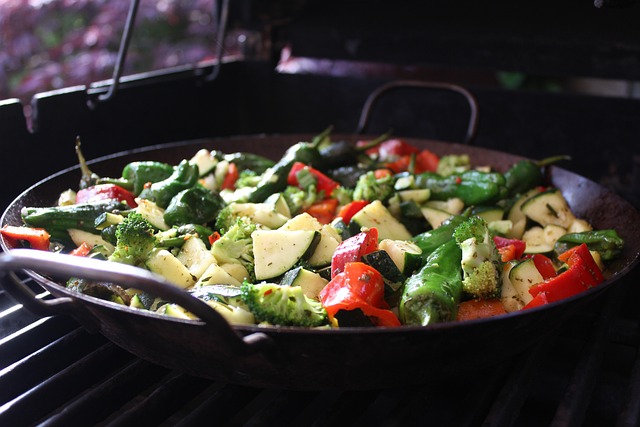
    vegetables,ratatouille,colorful

    Ratatouille: A Classic French Vegetable Dish

    Ratatouille is a traditional French dish brimming with flavors and colors. Perfect for summer meals, it’s easy to prepare with fresh vegetables. Here’s a simple recipe!

    Ingredients:

    • 1 zucchini
    • 1 eggplant
    • 1 red bell pepper
    • 1 onion
    • 2 tomatoes
    • 2 garlic cloves
    • 1 tablespoon olive oil
    • Herbes de Provence
    • Salt and pepper

    Instructions:

    1. Chop all the vegetables into cubes.
    2. In a large skillet, heat the olive oil.
    3. Add the onion and garlic, sauté until translucent.
    4. Add the vegetables, season, and let simmer for 20 minutes.
    5. Serve hot with crusty bread!

    cooking,ratatouille,france

    Ratatouille: Une Recette Provençale

    La ratatouille est un plat emblématique de la Provence, mettant en avant les légumes du jardin. Voici comment la préparer :

    Ingrédients :

    • 1 courgette
    • 1 aubergine
    • 1 poivron rouge
    • 1 oignon
    • 2 tomates
    • 2 gousses d’ail
    • 1 cuillère à soupe d’huile d’olive
    • Herbes de Provence
    • Sel et poivre

    Préparation :

    1. Couper tous les légumes en dés.
    2. Chauffer l’huile d’olive dans une grande poêle.
    3. Ajouter l’oignon et l’ail, faire revenir jusqu’à ce qu’ils soient dorés.
    4. Incorporer les légumes, assaisonner et mijoter pendant 20 minutes.
    5. Servir chaud avec du pain !

    ratatouille,provence,delicious