The Historical Significance of Château Frontenac
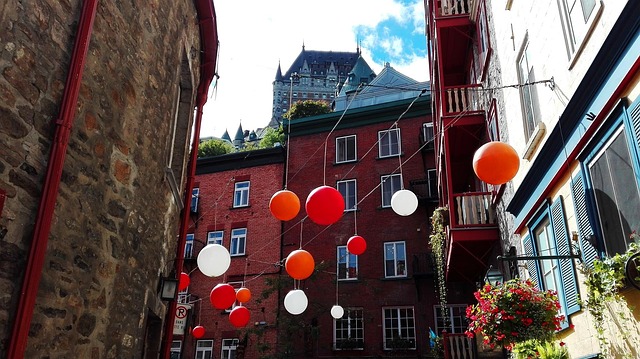
Château Frontenac, located in the heart of Quebec City, is not just a remarkable architectural feat but also a cornerstone of Canadian history. Built in 1893, this magnificent hotel has attracted countless visitors and dignitaries, serving as a symbol of luxury and hospitality in Canada.
A Glimpse into the Past
The hotel’s design, inspired by French château aesthetics, reflects the rich cultural heritage of Quebec. It was constructed as part of a series of grand hotels intended to attract tourists traveling by train to Canada. Over the years, Château Frontenac has hosted various significant events, including conferences and celebrations that have influenced the country’s history.

Modern Day Charm and Status
Today, the Château Frontenac remains a must-visit destination, renowned for both its historical significance and its luxurious amenities. It has been designated a National Historic Site of Canada, drawing both tourists and locals alike who wish to experience its grandeur. The hotel continues to serve as a premier venue for high-profile events, keeping its legacy alive.
Image placeholder for: new photo,château frontenac,quebec city
Unable to load image at this time
A Beautiful Blend of Past and Present
The timeless elegance of Château Frontenac reminds visitors of Quebec’s French heritage while embracing modern hospitality standards. Its stunning views of the St. Lawrence River and the Old Quebec skyline make it a focal point of the city.
Conclusion: A Jewel of Quebec City
Château Frontenac is more than just a hotel; it’s a living history lesson and an architectural marvel that continues to inspire awe. Whether experiencing its luxurious accommodations or admiring its majestic facade, visitors leave with a sense of the significance this landmark holds in Canada.
For those planning a visit to Quebec City, make sure to include this iconic site on your itinerary. Immerse yourself in its rich history and enjoy the stunning views that have captivated visitors for over a century.