Author: urbanslices_m9nvi6

  • The Historic Significance of the Canadian Rockies

    The Historic Significance of the Canadian Rockies

    Discovering the Canadian Rockies

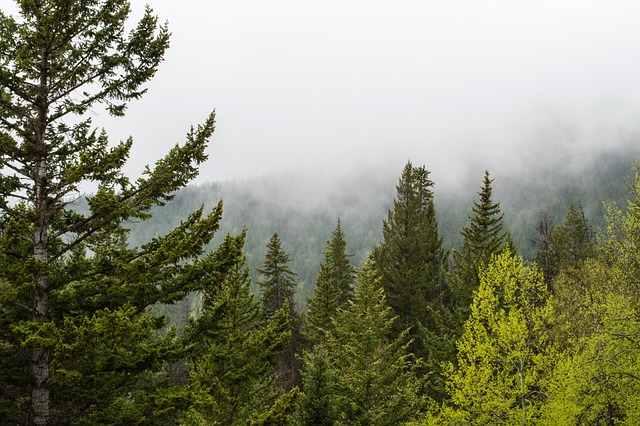
    The Canadian Rockies, a majestic mountain range that stretches through British Columbia and Alberta, serves as a breathtaking backdrop for both adventurers and historians alike. These towering peaks are not just a feast for the eyes; they represent a significant part of Canada’s natural heritage and indigenous culture.

    Canadian_Rockies,mountains,nature

    A Natural Wonder

    Designated a UNESCO World Heritage site in 1984, the Canadian Rockies are renowned for their stunning landscapes, diverse ecosystems, and unique geological features. The area is home to several national parks, including Banff and Jasper, which offer a plethora of outdoor activities such as hiking, skiing, and wildlife viewing.

    The striking beauty of these mountains has long attracted visitors from around the world. Famous glacial lakes, such as Lake Louise and Moraine Lake, showcase incredible turquoise waters surrounded by snow-capped peaks. These images of untouched nature stir a sense of peace and adventure within all who visit.

    Indigenous Heritage

    Long before European settlers arrived, the Indigenous peoples of Canada revered the Rockies as sacred lands. Tribes such as the Ktunaxa and Stoney Nakoda have rich cultural narratives associated with these mountains. They engaged in various sustainable practices and maintained a deep connection with the land, which shaped their traditions and teachings.

    Ecological Importance

    The Canadian Rockies are not just a landmark for tourists; they play a crucial role in biodiversity conservation. The region is home to a variety of flora and fauna, some of which are found nowhere else in the world. Protection efforts ensure the continued preservation of these species and their habitats. Additionally, the Rockies are vital in influencing weather patterns and serving as a water source for millions of Canadians.

    Conclusion

    In summary, the Canadian Rockies are much more than just stunning landscapes; they symbolize the intersection of natural beauty, cultural significance, and ecological preservation. As we continue to explore and enjoy these mountain ranges, it is essential to remember their historical and cultural roots and to advocate for their conservation.

    Visit the Canadian Rockies to witness this natural wonder, and immerse yourself in the rich stories that shaped both the land and its people.
  • Pisto: A Delicious Dish from Spain

    Pisto: Un Plat Délicieux d’Espagne

    Le Pisto est un plat traditionnel espagnol, ressemblant à la ratatouille, mais avec une touche ibérique. Idéal pour un repas léger ou comme accompagnement! Suivez cette recette simple pour le préparer chez vous.

    Ingrédients :

    • 2 courgettes, coupées en dés
    • 1 aubergine, coupée en dés
    • 1 poivron rouge, haché
    • 1 oignon, haché
    • 2 gousses d’ail, émincées
    • 400 g de tomates concassées
    • Huile d’olive
    • Sel et poivre au goût

    Instructions :

    1. Chauffez l’huile d’olive dans une grande poêle à feu moyen.
    2. Ajoutez l’oignon et l’ail, faites sauter jusqu’à ce qu’ils soient tendres.
    3. Ajoutez l’aubergine, le poivron rouge et les courgettes; faites cuire pendant 10 minutes.
    4. Incorporez les tomates et assaisonnez de sel et de poivre. Cuisez pendant 15 minutes de plus.
    5. Servez chaud, avec un œuf au plat au-dessus si désiré.

    Pisto: A Delicious Dish from Spain

    Pisto is a traditional Spanish dish, resembling ratatouille but with an Iberian twist. Ideal for a light meal or as a side! Follow this easy recipe to whip it up at home.

    Ingredients:

    • 2 zucchinis, diced
    • 1 eggplant, diced
    • 1 red bell pepper, chopped
    • 1 onion, chopped
    • 2 cloves garlic, minced
    • 400 g canned diced tomatoes
    • Olive oil
    • Salt and pepper to taste

    Instructions:

    1. Heat olive oil in a large pan over medium heat.
    2. Add onion and garlic; sauté until soft.
    3. Add eggplant, red pepper, and zucchini; cook for 10 minutes.
    4. Stir in the tomatoes and season with salt and pepper. Cook for another 15 minutes.
    5. Serve hot, topped with a fried egg if desired.

    Pisto: Un Plat Traditionnel Espagnol

    Le pisto est un plat traditionnel espagnol, similaire à la ratatouille, mais avec une saveur ibérique distinctive. Parfait pour un repas léger ou comme accompagnement, voici la recette!

    Ingrédients :

    • 2 calabacines, en dados
    • 1 berenjena, en dados
    • 1 pimiento rojo, picado
    • 1 cebolla, picada
    • 2 dientes de ajo, picados
    • 400 g de tomates enlatados, troceados
    • Aceite de oliva
    • Sal y pimienta al gusto

    Instrucciones:

    1. Calienta el aceite de oliva en una sartén grande a fuego medio.
    2. Agrega la cebolla y el ajo, y sofríe hasta que estén tiernos.
    3. Incorpora la berenjena, el pimiento rojo y los calabacines; cocina durante 10 minutos.
    4. Añade los tomates y sazona con sal y pimienta. Cocina otros 15 minutos.
    5. Sirve caliente, con un huevo frito encima si lo deseas.
  • The Historic Significance of Old Quebec City

    Discovering Old Quebec City: A UNESCO World Heritage Site

    Old Quebec City is a treasure trove of history and culture, recognized as a UNESCO World Heritage site for its well-preserved architecture and rich past. Nestled on the bank of the Saint Lawrence River, it serves as a living testament to Canada’s colonial history and French-speaking heritage.

    A Glimpse into the Past

    As one of the oldest cities in North America, Old Quebec was founded in 1608 by Samuel de Champlain. The city played a crucial role in the development of Canada, serving as a major military and administrative center for the French colonial empire in the New World. Its cobblestone streets wind through centuries-old buildings, many of which still exhibit their original fortifications.

    Architectural Wonders

    Among the architectural highlights is the iconic Château Frontenac, a grand hotel that has become synonymous with the city. Built in the late 19th century, it showcases stunning medieval-inspired design and offers breathtaking views of the river and the surrounding landscape.

    Modern-Day Significance

    Today, Old Quebec remains a vibrant hub of culture and tourism. Visitors can explore various museums, galleries, and boutiques, immersing themselves in the local arts scene and culinary delights. It hosts numerous festivals, including the Winter Carnival, which draws visitors from around the world to celebrate the magic of winter.

    Conclusion

    Old Quebec City is not just a remarkable historical site; it embodies the spirit of Canada’s unique blend of cultures. Its preservation allows future generations to connect with their heritage while enjoying the lively atmosphere it offers today.

    Whether you’re a history buff or just looking for a picturesque destination, Old Quebec City is a must-visit location that showcases the enduring legacy of Canada’s past.

  • Shakshuka: A Delicious Dish from Israel

    Shakshuka: Un plat délicieux d’Israël

    Shakshuka est un plat israélien savoureux et coloré, parfait pour le brunch ou un dîner léger. Voici comment le préparer rapidement !

    Ingrédients:

    • 4 œufs
    • 1 boîte de tomates concassées (400g)
    • 1 oignon, haché
    • 1 poivron rouge, coupé en dés
    • 2 gousses d’ail, émincées
    • 1 cuillère à café de cumin
    • 1 cuillère à café de paprika
    • Sel et poivre au goût
    • Huile d’olive
    • Persil frais pour garnir

    Instructions:

    1. Dans une poêle, chauffez l’huile d’olive à feu moyen et faites revenir l’oignon et le poivron jusqu’à ce qu’ils soient tendres.
    2. Ajoutez l’ail, le cumin et le paprika et faites cuire pendant une minute.
    3. Incorporez les tomates, salez et poivrez. Laissez mijoter pendant 10 minutes.
    4. Faites des petits creux dans le mélange et cassez-y les œufs. Couvrez et cuisez jusqu’à ce que les blancs soient pris.
    5. Servez avec du pain et garnissez de persil frais.

    Shakshuka: A Delicious Dish from Israel

    Shakshuka is a colorful and tasty Israeli dish, perfect for brunch or a light dinner. Here’s how to make it quickly!

    Ingredients:

    • 4 eggs
    • 1 can diced tomatoes (400g)
    • 1 onion, chopped
    • 1 red bell pepper, diced
    • 2 garlic cloves, minced
    • 1 teaspoon cumin
    • 1 teaspoon paprika
    • Salt and pepper to taste
    • Olive oil
    • Fresh parsley for garnish

    Instructions:

    1. In a skillet, heat olive oil over medium heat and sauté the onion and bell pepper until soft.
    2. Add garlic, cumin, and paprika; cook for 1 minute.
    3. Add tomatoes, salt and pepper. Simmer for 10 minutes.
    4. Make little wells in the mixture and crack the eggs into them. Cover and cook until whites are set.
    5. Serve with bread and sprinkle with fresh parsley.

    שקשוקה: מנה טעימה מישראל

    שקשוקה היא מנה צבעונית וטעימה מישראל, מושלמת לארוחת בוקר או ערב קליל. הנה איך להכין אותה במהירות!

    מרכיבים:

    • 4 ביצים
    • 1 קופסה של עגבניות קצוצות (400 ג’)
    • 1 בצל, קצוץ
    • 1 פלפל אדום, קצוץ
    • 2 שיני שום, כתושות
    • 1 כפית כמון
    • 1 כפית פפריקה
    • מלח ופלפל לפי הטעם
    • שמן זית
    • פטרוזיליה טרייה לקישוט

    הוראות:

    1. במחבת, מחממים שמן זית על חום בינוני ומקפיצים את הבצל והפלפל עד שהתרככו.
    2. מוסיפים את השום, כמון ופפריקה; מבשלים במשך דקה.
    3. מוסיפים את העגבניות, מלח ופלפל. מבשלים במשך 10 דקות.
    4. יוצרים גומות בתערובת ומניחים את הביצים בתוכם. מכסים ומבשלים עד שהחלבונים מתייצבים.
    5. מגישים עם לחם ומקשטים בפטרוזיליה טרייה.
  • The Majestic Niagara Falls: A Natural Wonder of Canada

    The Majestic Niagara Falls: A Natural Wonder of Canada

    An Overview of Niagara Falls

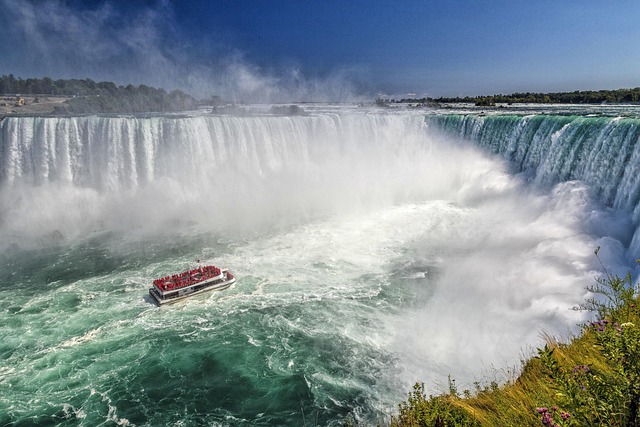
    Niagara Falls is one of the most iconic natural attractions, straddling the border between Canada and the United States. Known for its breathtaking beauty and immense power, this destination draws millions of visitors each year. The Falls are not only a stunning sight but also hold historical and cultural significance for both countries.

    Niagara_Falls,Canada,natural_wonder

    Historical Significance

    Niagara Falls has a rich history that dates back to the early Indigenous peoples who revered the falls as a sacred site. For over a century, it has been a symbol of natural beauty and awe. The first documented mentions of the falls date back to the early 17th century when European explorers, such as Samuel de Champlain, first encountered this magnificent sight.

    Modern-Day Attractions

    Today, Niagara Falls is not just a natural wonder but also a hub for tourism and recreation. Visitors can enjoy boat tours that provide close-up views of the rushing waters, explore the surrounding parks, and experience attractions like the Journey Behind the Falls. The picturesque town of Niagara-on-the-Lake, nearby wineries, and vibrant entertainment options further enhance its appeal.

    The Environmental Aspect

    Aside from its beauty, Niagara Falls plays a significant role in the region’s ecosystem. It is part of several conservation efforts aimed at preserving the flora and fauna that exist in this unique habitat. The falls also provide hydroelectric power, making them a vital resource for the surrounding communities.

    Conclusion

    With its combination of sheer power and breathtaking beauty, Niagara Falls remains an unforgettable destination. Its historical significance, environmental importance, and appeal as a tourist destination make it a cherished landmark in Canada.

    For anyone planning a trip to Canada, a visit to Niagara Falls should be at the top of the itinerary!

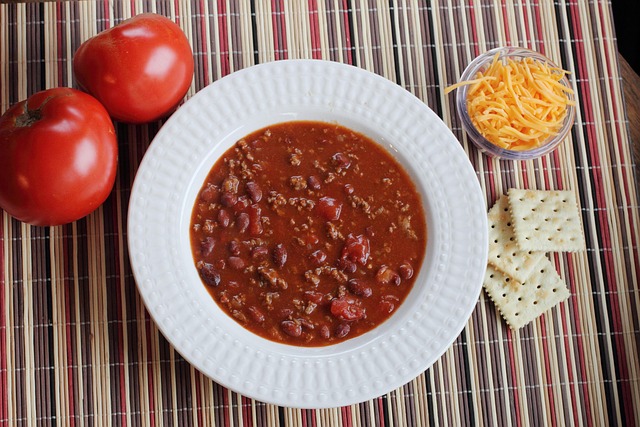
  • Chili Con Carne: A Hearty Dish from Mexico

    Chili Con Carne: A Hearty Dish from Mexico

    Chili Con Carne: Une Recette Réconfortante du Mexique

    Ingrédients

    • 500g de viande hachée
    • 1 oignon, haché
    • 2 gousses d’ail, émincées
    • 1 poivron rouge, coupé en dés
    • 400g de haricots rouges, égouttés
    • 400g de tomates concassées en conserve
    • 1 cuillère à soupe de poudre de chili
    • 1 cuillère à café de cumin
    • Sel et poivre au goût

    Instructions

    1. Dans une grande casserole, faites revenir la viande hachée avec l’oignon et l’ail à feu moyen.
    2. Ajoutez le poivron et faites cuire pendant 5 minutes supplémentaires.
    3. Incorporez les haricots, les tomates, la poudre de chili et le cumin.
    4. Laissez mijoter pendant 30 minutes. Salez et poivrez à votre goût.

    chili_con_carne,recipe,food

    Chili Con Carne: A Hearty Dish from Mexico

    Ingredients

    • 500g ground beef
    • 1 onion, chopped
    • 2 cloves garlic, minced
    • 1 red bell pepper, diced
    • 400g canned red kidney beans, drained
    • 400g canned crushed tomatoes
    • 1 tablespoon chili powder
    • 1 teaspoon cumin
    • Salt and pepper to taste

    Instructions

    1. In a large pot, brown the ground beef with the onion and garlic over medium heat.
    2. Add the red bell pepper and cook for another 5 minutes.
    3. Stir in the beans, tomatoes, chili powder, and cumin.
    4. Let simmer for 30 minutes. Season with salt and pepper to taste.

    chili_con_carne,recipe,cooking

    Chili Con Carne: Una Recetta Ricca dal Messico

    Ingredienti

    • 500g di carne macinata
    • 1 cipolla, tritata
    • 2 spicchi d’aglio, tritati
    • 1 peperone rosso, tagliato a cubetti
    • 400g di fagioli rossi in scatola, scolati
    • 400g di pomodori pelati in scatola
    • 1 cucchiaio di polvere di chili
    • 1 cucchiaino di cumino
    • Sale e pepe a piacere

    Istruzioni

    1. In una grande casseruola, rosola la carne macinata con la cipolla e l’aglio a fuoco medio.
    2. Aggiungi il peperone rosso e cuoci per altri 5 minuti.
    3. Aggiungi i fagioli, i pomodori, la polvere di chili e il cumino.
    4. Lascia cuocere a fuoco lento per 30 minuti. Aggiungi sale e pepe a piacere.
  • The Significance of the Cabot Trail in Nova Scotia

    Discovering the Breathtaking Cabot Trail

    The Cabot Trail is one of Canada’s most scenic drives, located in the Cape Breton Highlands of Nova Scotia. Stretching over 300 kilometers, the trail winds through lush forests, rugged coastlines, and picturesque fishing villages, offering stunning views of the Atlantic Ocean. But the Cabot Trail is not just about its natural beauty; it holds important cultural and historical significance that attracts travelers from around the world.

    A Historical Perspective

    Named after the Italian explorer John Cabot, who is believed to have sailed along the coast in 1497, the Cabot Trail has a rich history. It was originally used by the Indigenous Mi’kmaq people for trade and transportation. Over time, European settlers began to utilize the land for fishing and farming, establishing communities that still thrive today.

    In the 1930s, the Cabot Trail was developed as a scenic route, enhancing its accessibility and promoting tourism in Nova Scotia. Visitors are often captivated by the blend of natural landscapes and cultural heritage that the trail represents, making it a key destination in Canada.

    Natural Wonders

    The drive along the Cabot Trail provides access to numerous parks and coastal landscapes, such as the Cape Breton Highlands National Park. This park is known for its hiking trails, including the famous Skyline Trail, which offers breathtaking views of the cliffs and ocean below. The changing seasons bring vibrant colors to the area, making it a picturesque setting for photography and outdoor activities.

    Conclusion

    The Cabot Trail is more than just a scenic highway; it represents the rich cultural tapestry and natural beauty of Nova Scotia. Whether you’re an adventurer seeking outdoor experiences or a history enthusiast wanting to learn more about its significance, the Cabot Trail offers something for everyone.

    Start planning your visit today and experience the enchanting allure of the Cabot Trail for yourself!

  • The Historic Significance of the Rideau Canal in Ottawa

    Introduction

    The Rideau Canal, recognized as a UNESCO World Heritage Site, is a remarkable stretch of waterway that runs through Ottawa, Canada. Originally constructed for military purposes, it has become an essential element of Canada’s history and culture, drawing tourists and locals alike from near and far.

    The Construction of the Canal

    Built between 1826 and 1832, the Rideau Canal was designed to provide a secure route between Montreal and Lake Ontario, allowing boats to bypass potential attacks on the St. Lawrence River during the 1812 War. Today, the canal serves a dual purpose, acting as a crucial transportation route during warmer months and transforming into the world’s largest naturally frozen skating rink in winter.

    Architectural Marvel and its Impact

    One of the most striking features of the Rideau Canal is its series of locks, which showcase 19th-century engineering skill. The locks not only facilitate boat traffic but also offer picturesque views, making it a popular spot for both residents and tourists. Over 200,000 people visit the canal each year, with activities ranging from boating to ice skating.

    Modern-Day Significance

    In the present day, the Rideau Canal stands as a symbol of Canadian pride and a testament to the country’s commitment to preserving its heritage. Events such as Winterlude, an annual winter festival, celebrate the canal’s role in Canadian culture. Additionally, the canal is connected to numerous recreational paths, enhancing Ottawa’s urban landscape.

    Conclusion

    The Rideau Canal is more than just a historical waterway; it is a living monument that reflects Canada’s rich past, vibrant present, and hopeful future. As you explore Ottawa, make sure to take some time to appreciate the beauty and significance of this incredible landmark.

    If you’re planning a trip to Ottawa, don’t miss out on a chance to witness the Rideau Canal’s charm in both summer and winter!

  • Brigadeiro: A Sweet Delight from Brazil

    Brigadeiro: A Sweet Delight from Brazil

    Brigadeiro : un délice sucré du Brésil

    Le brigadeiro est un dessert brésilien classique, délicieux et facile à préparer. Voici comment faire ce petit plaisir !

    Ingrédients

    • 1 boîte de lait condensé
    • 2 cuillères à soupe de cacao en poudre
    • 2 cuillères à soupe de beurre
    • Des granulés au chocolat (pour enrober)

    Instructions

    1. Dans une casserole, combinez le lait condensé, le cacao et le beurre.
    2. Faites cuire à feu moyen, en remuant constamment jusqu’à ce le mélange se détache des parois.
    3. Versez le mélange dans un plat et laissez refroidir.
    4. Une fois refroidi, formez des boules et roulez-les dans les granulés de chocolat.

    brigadeiro,chocolate balls,Brazilian dessert

    Brigadeiro: A Sweet Delight from Brazil

    Brigadeiro is a classic Brazilian dessert, delicious and easy to make. Here’s how to whip up this sweet treat!

    Ingredients

    • 1 can of condensed milk
    • 2 tablespoons of cocoa powder
    • 2 tablespoons of butter
    • Chocolate sprinkles (for coating)

    Instructions

    1. In a saucepan, combine the condensed milk, cocoa, and butter.
    2. Cook over medium heat, stirring constantly until the mixture pulls away from the sides.
    3. Pour the mixture into a dish and let it cool.
    4. Once cooled, form small balls and roll them in chocolate sprinkles.

    brigadeiro,chocolate balls,Brazilian dessert

    Brigadeiro: Um Doce Delicioso do Brasil

    O brigadeiro é um doce clássico do Brasil, delicioso e fácil de fazer. Confira como preparar essa delícia!

    Ingredientes

    • 1 lata de leite condensado
    • 2 colheres de sopa de cacau em pó
    • 2 colheres de sopa de manteiga
    • Granulados de chocolate (para cobrir)

    Instruções

    1. Em uma panela, misture o leite condensado, o cacau e a manteiga.
    2. Cozinhe em fogo médio, mexendo sempre até que a mistura desgrude das laterais.
    3. Despeje a mistura em um prato e deixe esfriar.
    4. Depois de esfriar, forme bolinhas e passe nos granulados de chocolate.

    brigadeiro,chocolate balls,Brazilian dessert

  • The Historic Significance of the Canadian War Museum

    The Canadian War Museum: A Journey Through History

    The Canadian War Museum, located in Ottawa, Ontario, stands as a profound institution dedicated to preserving, reflecting upon, and showcasing Canada’s military history. Since its opening in 2005, it has invited visitors to explore the complexities of war and peace while honoring those who have served.

    A Historical Landmark

    The origins of the museum trace back to 1880 when it began as a small collection of war artifacts. Over the years, its growth mirrored the evolving narrative of Canada’s military involvement from World War I to contemporary peacekeeping missions. The Canadian War Museum provides not only a repository for military artifacts but also a space for education and remembrance.

    Architectural Marvel Meets Historical Relevance

    The modern architecture of the museum is as significant as its exhibits. Designed by renowned architect Richard M. LeShan, the building itself is a powerful testament to the resilience of spirit amidst the devastation of war. Its striking features symbolize the struggles faced during warfare and are integrated within the natural landscape of the Ottawa River.

    Exhibits that Engage and Educate

    Visitors to the Canadian War Museum are welcomed by various exhibits that cover themes such as conflict, sacrifice, and peacekeeping. Memorials and personal stories are interwoven throughout the museum, which transform the physical artifacts into poignant reminders of the human experience in times of war. The museum also fosters discussion on the ethical implications of military conflict.

    A Resource for Learning

    Aside from showcasing exhibits, the Canadian War Museum plays an essential role in education. It offers programs for schools and communities, ensuring future generations understand the sacrifices made and the lessons learned from history. This commitment makes it a crucial resource for reflection and understanding.

    Conclusion: Honoring the Past, Inspiring the Future

    The Canadian War Museum is more than just a museum; it’s a bridge between our past and future, facilitating conversations about the impact of war on society. Whether you’re a history enthusiast, a student, or simply curious, the museum’s doors open to everyone wishing to learn more about Canada’s storied military past.