Author: urbanslices_m9nvi6

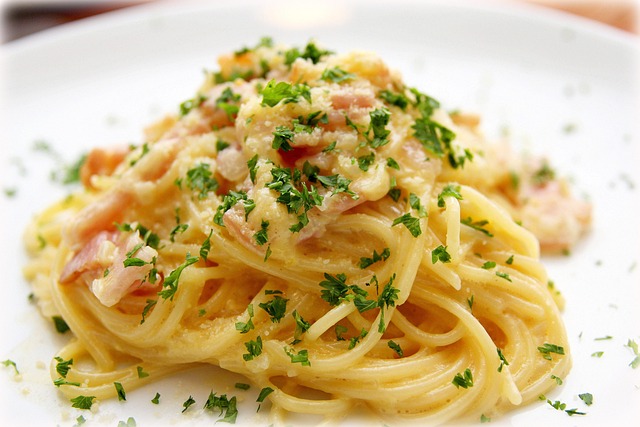
  • Pasta Carbonara: A Flavorful Dish from Italy

    Pasta Carbonara: A Flavorful Dish from Italy

    Pasta Carbonara : Une délicieuse recette italienne

    La pasta carbonara est un plat italien savoureux et facile à préparer. Parfait pour les soirs de semaine ou un repas spécial !

    Ingrédients :

    • 200g de spaghetti
    • 100g de pancetta ou de lardons
    • 2 jaunes d’œufs
    • 50g de parmesan râpé
    • Poivre noir fraîchement moulu
    • Sel

    Instructions :

    1. Faites cuire les spaghetti dans une grande casserole d’eau salée.
    2. Dans une poêle, faites revenir la pancetta jusqu’à ce qu’elle soit croustillante.
    3. Dans un bol, mélangez les jaunes d’œufs et le parmesan.
    4. Une fois les spaghetti cuits, égouttez-les et ajoutez-les à la poêle avec la pancetta.
    5. Enlevez la poêle du feu et incorporez le mélange d’œufs en remuant rapidement.
    6. Ajoutez du poivre noir au goût et servez immédiatement.

    pasta,carbonara,italian_dish

    Pasta Carbonara: A Flavorful Italian Recipe

    Pasta Carbonara is a delicious Italian dish that’s simple to make. Perfect for weeknight dinners or a special treat!

    Ingredients:

    • 200g spaghetti
    • 100g pancetta or bacon
    • 2 egg yolks
    • 50g grated Parmesan cheese
    • Freshly ground black pepper
    • Salt

    Instructions:

    1. Cook spaghetti in a large pot of salted water.
    2. In a skillet, cook pancetta until crispy.
    3. In a bowl, mix egg yolks and Parmesan.
    4. Once spaghetti is cooked, drain it and add it to the skillet with pancetta.
    5. Remove skillet from heat, and stir in the egg mixture quickly.
    6. Add black pepper to taste and serve immediately.

    pasta,carbonara,italy

    Pasta alla Carbonara: Una Ricetta Italiana Autentica

    La pasta alla carbonara è un piatto tradizionale italiano, veloce e ricco di sapore!

    Ingredienti:

    • 200g di spaghetti
    • 100g di guanciale o pancetta
    • 2 tuorli d’uovo
    • 50g di formaggio pecorino grattugiato
    • Pepe nero macinato
    • Sale

    Istruzioni:

    1. Cuocere gli spaghetti in acqua salata.
    2. In una padella, rosolare il guanciale fino a renderlo croccante.
    3. In una ciotola, mescolare i tuorli d’uovo e il pecorino.
    4. Dopo aver scolato gli spaghetti, aggiungerli alla padella con il guanciale.
    5. Togliere la padella dal fuoco e incorporare rapidamente il composto di uova.
    6. Aggiungere pepe nero a piacere e servire caldo.
  • The Historic Significance of the Rideau Canal

    Understanding the Rideau Canal’s Historic Importance

    The Rideau Canal, stretching from Kingston to Ottawa, is a remarkable feat of 19th-century engineering. Completed in 1832, this UNESCO World Heritage Site played a pivotal role in the economic development of Canada, serving as a crucial military supply route during the War of 1812 and facilitating trade and transportation.

    Architectural and Engineering Marvel

    One of the standout features of the Rideau Canal is its system of locks. The canal includes a series of hand-operated locks, allowing boats to traverse elevation changes. Today, this engineering masterpiece attracts tourists and locals alike, especially during winter when it transforms into the world’s largest skating rink.

    A Cultural Hub for the Community

    The Rideau Canal also serves as a cultural gathering place, with numerous events and festivals held throughout the year. From the Ottawa International Ice-Canoe Challenge to various summer boating events, the canal achieves a blend of historical significance and modern-day leisure.

    Conclusion: A Legacy of Significance

    The Rideau Canal remains a testament to Canada’s rich history and engineering prowess. It connects communities, showcases natural beauty, and continues to be a vibrant part of Canadian culture today. Whether you are visiting to learn about its past or to enjoy recreational activities, the Rideau Canal stands as a significant landmark in Canada’s heritage.

  • Exploring the Significance of the Banff National Park

    Banff National Park, established in 1885, is one of Canada’s most treasured natural landscapes and a UNESCO World Heritage Site. Nestled in the heart of the Canadian Rockies, this national park boasts breathtaking scenery, abundant wildlife, and a rich history that stretches back thousands of years. It is not just an outdoor paradise but also a cultural symbol significant to Indigenous peoples and later, to the nation.

    A Natural Wonderland

    The park’s stunning glacial lakes, rugged mountains, and vast forests have become iconic representations of Canada’s wilderness. Lakes like Lake Louise and Moraine Lake are famous for their vibrant turquoise colors, drawing visitors from around the globe. These lakes were formed by melting glaciers, and their beauty showcases the power of nature.

    Historical Significance

    Before the establishment of Banff National Park, the area was inhabited by Indigenous peoples, such as the Stoney Nakoda Nation, who have lived on this land for centuries. Their deep connection with the natural environment is reflected in their stories, traditions, and way of life. Later, the arrival of the Canadian Pacific Railway opened up the region to tourists, making Banff a popular destination for those looking to escape to nature.

    Conservation Efforts

    Today, Banff National Park continues to play a role in ecological conservation. It serves as a refuge for wildlife and is an important area for scientific research dedicated to preserving its natural heritage. The park’s management focuses on sustainable tourism to balance human activity with environmental protection.

    Conclusion

    Banff National Park is more than just a destination for outdoor activities; it is a testament to Canada’s natural beauty and historical significance. Whether you are hiking, skiing, or simply taking in the scenic vistas, this park remains a vital part of Canada’s identity. Protecting this incredible landscape ensures future generations will also be able to experience its wonders.

  • Yaki Udon: A Delicious Japanese Noodle Dish

    ## Yaki Udon: Un Délicieux Plat de Nouilles Japonaises
    Savourez ce plat japonais enchanteur, Yaki Udon, parfait pour un dîner rapide.

    ### Ingrédients
    – 200 g de nouilles udon
    – 150 g de légumes mélangés (carottes, poivrons, brocoli)
    – 2 cuillères à soupe d’huile de sésame
    – 2 cuillères à soupe de sauce soja
    – 1 cuillère à soupe de sauce teriyaki
    – 1 oignon vert, haché

    ### Instructions
    1. Faites cuire les nouilles udon selon les instructions du paquet.
    2. Dans une poêle chaude, ajoutez l’huile de sésame et les légumes. Faites sauter pendant 5 minutes.
    3. Ajoutez les nouilles cuites, la sauce soja et la sauce teriyaki dans la poêle. Mélangez bien pendant 2 minutes.
    4. Servez chaud, garni d’oignon vert.

    ## Yaki Udon: A Delicious Japanese Noodle Dish
    Enjoy this delightful Japanese dish, Yaki Udon, perfect for a quick dinner.

    ### Ingredients
    – 200 g udon noodles
    – 150 g mixed vegetables (carrots, bell peppers, broccoli)
    – 2 tablespoons sesame oil
    – 2 tablespoons soy sauce
    – 1 tablespoon teriyaki sauce
    – 1 green onion, chopped

    ### Instructions
    1. Cook the udon noodles according to package instructions.
    2. In a hot pan, add sesame oil and vegetables. Sauté for 5 minutes.
    3. Add the cooked noodles, soy sauce, and teriyaki sauce to the pan. Mix well for 2 minutes.
    4. Serve hot, garnished with green onions.

    ## 焼きうどん: 日本の美味しい麺料理
    この魅力的な日本料理、焼きうどんを楽しみましょう。

    ### 材料
    – 200gのうどん
    – 150gの野菜ミックス(ニンジン、ピーマン、ブロッコリー)
    – ごま油大さじ2
    – 醤油大さじ2
    – 照り焼きソース大さじ1
    – 刻んだネギ

    ### 作り方
    1. うどんをパッケージの指示に従って茹でます。
    2. 熱したフライパンにごま油と野菜を加え、5分炒めます。
    3. うどん、醤油、照り焼きソースを加え、良く混ぜて2分加熱します。
    4. 熱いうちにネギをトッピングして盛り付けます。

  • The Historic Significance of the Canadian Museum for Human Rights

    A Monument to Human Rights

    Located in Winnipeg, Manitoba, the Canadian Museum for Human Rights (CMHR) is a one-of-a-kind institution that stands as a testament to Canada’s commitment to promoting human rights. Officially opened in September 2014, it is the first national museum built in Canada since the 1960s.

    The Journey to Its Inception

    The vision of the CMHR was conceived in the early 2000s, inspired by the need to build a space dedicated to human rights and education. Ground was broken in 2008, and the design was led by architect Antoine Predock, blending modern architectural techniques with the historical significance of the area.

    Design and Architecture

    The museum’s striking design features a glass and concrete structure that resembles a rising light on the prairies. This symbol not only represents hope but also serves as a visual landmark for the city of Winnipeg.

    Exhibits and Education

    Inside, the museum boasts several permanent and temporary exhibits dedicated to various human rights issues. These cover local, national, and global perspectives, emphasizing the importance of advocacy and education in promoting human dignity.

    A Place for Reflection

    The CMHR is not just a museum; it is a place where visitors can reflect on the struggles for human rights both in Canada and around the world. Its commitment to education and awareness makes it a vital part of the community and a place where future generations can learn about the importance of standing up for their rights and those of others.

    Conclusion

    The Canadian Museum for Human Rights stands as a beacon of hope and knowledge. As visitors explore its galleries, they are invited to engage in dialogue about human rights issues, fostering a greater understanding of what it means to live in a society that values dignity and equality.

    Make sure to plan your visit to the CMHR to experience the powerful narratives that shape our understanding of human rights today.

  • Biryani: A Flavorful Indian Rice Dish You Can Make in Canada

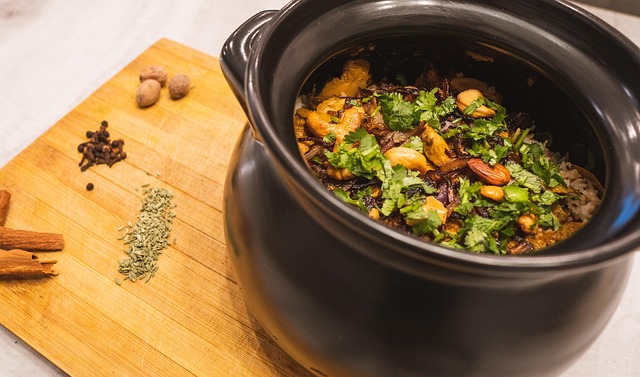
    Biryani: A Flavorful Indian Rice Dish You Can Make in Canada

    Biryani : Un plat de riz indien savoureux à préparer au Canada

    Le Biryani est un plat de riz aromatique, plein de saveurs et d’épices! Essayez cette version simple chez vous.

    Ingrédients :

    • 2 tasses de riz basmati
    • 500 g de poulet, coupé en morceaux
    • 1 oignon, émincé
    • 2 tomates, hachées
    • 2 cuillères à soupe de yaourt nature
    • 1 cuillère à soupe de pâte d’ail et de gingembre
    • Épices (cardamome, cannelle, clou de girofle)
    • 2 cuillères à soupe d’huile
    • Sel et poivre au goût

    Instructions :

    1. Faites cuire le riz basmati jusqu’à ce qu’il soit al dente.
    2. Dans une grande casserole, faites chauffer l’huile et ajoutez l’oignon jusqu’à ce qu’il soit doré.
    3. Ajoutez le poulet, les tomates, la pâte d’ail et de gingembre, puis faites cuire jusqu’à ce que le poulet soit bien cuit.
    4. Incorporez le yaourt, les épices, le riz cuit, et mélangez délicatement.
    5. Servez chaud et savourez ce plat délicieux!Biryani,rice,Indian food

    Biryani: A Flavorful Indian Rice Dish to Make in Canada

    Biryani is a fragrant rice dish, full of flavors and spices! Try this easy version at home.

    Ingredients:

    • 2 cups basmati rice
    • 500g chicken, chopped
    • 1 onion, sliced
    • 2 tomatoes, chopped
    • 2 tablespoons plain yogurt
    • 1 tablespoon garlic-ginger paste
    • Spices (cardamom, cinnamon, cloves)
    • 2 tablespoons oil
    • Salt and pepper to taste

    Instructions:

    1. Cook the basmati rice until al dente.
    2. In a large pot, heat the oil and add the onion until golden brown.
    3. Add the chicken, tomatoes, garlic-ginger paste, and cook until the chicken is done.
    4. Stir in the yogurt, spices, cooked rice, and mix gently.
    5. Serve hot and enjoy this delicious dish!Biryani,rice,Indian food

    बिरयानी: भारत का एक स्वादिष्ट चावल का व्यंजन

    बिरयानी एक सुगंधित चावल का व्यंजन है, जो स्वाद और मसालों से भरा हुआ है! इसे घर पर बनाएं।

    सामग्री:

    • 2 कप बासमती चावल
    • 500 ग्राम चिकन, कटे हुए
    • 1 प्याज, कटा हुआ
    • 2 टमाटर, कटा हुआ
    • 2 चम्मच दही
    • 1 चम्मच लहसुन-आदरक का पेस्ट
    • मसाले (हरी इलायची, दालचीनी, लौंग)
    • 2 चम्मच तेल
    • नमक और काली मिर्च स्वादानुसार

    विधि:

    1. बासमती चावल को अल डेंटे तक पकाएँ।
    2. एक बड़े बर्तन में, तेल गरम करें और प्याज डालें जब तक वह सुनहरा न हो जाए।
    3. चिकन, टमाटर, लहसुन-आदरक का पेस्ट डालें और चिकन पक जाने तक पकाएँ।
    4. दही, मसाले, पका हुआ चावल डालें और धीरे से मिलाएँ।
    5. गर्मागर्म परोसें और इस स्वादिष्ट व्यंजन का आनंद लें!Biryani,rice,Indian food
  • The Significance of the Fortress of Louisbourg: A Glimpse into Canada’s Past

    Understanding the Fortress of Louisbourg

    Located on Cape Breton Island in Nova Scotia, the Fortress of Louisbourg stands as a testament to Canada’s colonial history. Originally established by the French in 1713, this fortified town became a key naval base for French forces during conflicts in North America. Today, it not only serves as a historical site but also as a thriving living history museum that attracts numerous visitors each year.

    The Historic Significance

    The Fortress of Louisbourg played a crucial role during the 18th century, particularly during the French and Indian War. Its strategic location allowed it to control access to the Gulf of St. Lawrence, making it an asset for French trade and military endeavors. Unfortunately, after its capture by British forces in 1758, the village was largely abandoned and fell into ruin.

    Restoration and Modern Impact

    In the 1960s, efforts were made to restore the fortress to its former glory. This restoration project has brought the site back to life and transformed it into a UNESCO World Heritage site. Visitors can now experience reenactments, guided tours, and a glimpse of daily life in the 18th century.

    Conclusion

    The Fortress of Louisbourg not only highlights Canada’s rich history but also showcases the struggles and triumphs of its early settlers. By preserving this site, we honor the past while educating future generations about the importance of cultural heritage in shaping the nation.

  • Moussaka Recipe: A Traditional Greek Dish

    Moussaka Recipe: A Traditional Greek Dish

    Moussaka: Une Recette Traditionnelle Grecque

    Un plat savoureux à base d’aubergines, de viande et de béchamel, la moussaka est un classique grec que vous pouvez facilement préparer à la maison!

    Ingrédients:

    • 2 aubergines
    • 500 g de bœuf haché
    • 1 oignon, haché
    • 2 tomates, coupées en dés
    • 1 tasse de béchamel
    • Huile d’olive, sel, poivre, et origan

    Instructions:

    1. Coupez les aubergines en tranches et faites-les revenir dans l’huile d’olive jusqu’à ce qu’elles soient dorées. aubergines,cooking,recipe
    2. Dans une poêle, faites revenir l’oignon jusqu’à ce qu’il soit translucide. Ajoutez le bœuf et faites cuire jusqu’à ce qu’il soit bien cuit.
    3. Ajoutez les tomates, l’origan, le sel et le poivre. Laissez mijoter pendant 10 minutes.
    4. Dans un plat allant au four, disposez les aubergines, la viande, puis une couche de béchamel.
    5. Répétez jusqu’à épuisement des ingrédients et terminez par la béchamel. Cuire à 180°C pendant 45 minutes.
    6. Laissez reposer avant de servir.

    Moussaka: A Traditional Greek Recipe

    Loaded with flavors, moussaka is a savory dish made with eggplant, meat, and creamy béchamel sauce. It’s a Greek classic you can easily whip up at home!

    Ingredients:

    • 2 eggplants
    • 500 g ground beef
    • 1 onion, chopped
    • 2 tomatoes, diced
    • 1 cup béchamel sauce
    • Olive oil, salt, pepper, and oregano

    Instructions:

    1. Slice the eggplants and sauté them in olive oil until golden brown. eggplant,cooking,recipe
    2. In a pan, sauté the onion until translucent. Add ground beef and cook until well done.
    3. Add tomatoes, oregano, salt, and pepper. Let simmer for 10 minutes.
    4. In a baking dish, layer eggplants, meat, and top with béchamel.
    5. Repeat until all ingredients are used, finishing with béchamel. Bake at 180°C for 45 minutes.
    6. Allow to rest before serving.

    Μουσακάς: Μια Παραδοσιακή Συνταγή Ελληνικού Φαγητού

    Ο μουσακάς είναι ένα γευστικό πιάτο με μελιτζάνες, κρέας και σάλτσα μπεσαμέλ. Είναι ένα κλασικό ελληνικό πιάτο που μπορείτε εύκολα να ετοιμάσετε στο σπίτι!

    Υλικά:

    • 2 μελιτζάνες
    • 500 γρ. κιμάς
    • 1 κρεμμύδι, ψιλοκομμένο
    • 2 ντομάτες, κομμένες σε κύβους
    • 1 φλιτζάνι μπεσαμέλ
    • Ελαιόλαδο, αλάτι, πιπέρι και ρίγανη

    Οδηγίες:

    1. Κόβουμε τις μελιτζάνες σε φέτες και τις τηγανίζουμε σε ελαιόλαδο μέχρι να ροδίσουν.
    2. Σε ένα τηγάνι, σοτάρουμε το κρεμμύδι μέχρι να γίνει διάφανο. Προσθέτουμε τον κιμά και ψήνουμε μέχρι να γίνει καλά.
    3. Προσθέτουμε τις ντομάτες, τη ρίγανη, το αλάτι και το πιπέρι. Αφήνουμε να σιγοβράσει για 10 λεπτά.
    4. Σε ένα ταψί, τοποθετούμε τις μελιτζάνες, το κρέας και στη συνέχεια μια στρώση μπεσαμέλ.
    5. Επαναλαμβάνουμε μέχρι να τελειώσουν τα υλικά και ολοκληρώνουμε με μπεσαμέλ. Ψήνουμε στους 180°C για 45 λεπτά.
    6. Αφήνουμε να ξεκουραστεί πριν σερβίρουμε.
  • The Historical Significance of the Halifax Citadel

    An Icon of Canadian History

    The Halifax Citadel, a star-shaped fortress located in Nova Scotia, Canada, stands as a testament to the country’s military history. Built in 1749, it played a crucial role in defending the city of Halifax from various threats, particularly during the American Revolutionary War and the War of 1812.

    A Strategic Location

    The Citadel’s strategic location allowed it to oversee the harbor, making it a formidable stronghold. Its construction began shortly after the founding of Halifax, and over the years, it saw several renovations and expansions. The current structure, which is a National Historic Site, was completed in the 1850s and involved the use of state-of-the-art military architecture of the time.

    Life at the Citadel

    Visitors can immerse themselves in history as they explore the well-preserved buildings and exhibits that depict the life of soldiers and civilians in the 18th and 19th centuries. Soldiers dressed in period uniforms offer a glimpse into daily life within the fortress, providing guided tours that share stories of those who served.

    Halifax Citadel Today

    Today, the Halifax Citadel is not only a historical landmark but also a vibrant cultural venue. It hosts various events throughout the year, from reenactments to concerts, making it a focal point of community engagement. The site attracts thousands of tourists each year who come to learn about its significant role in Canada’s past and enjoy panoramic views of the city and harbor.

    Conclusion

    As a symbol of resilience and historical importance, the Halifax Citadel is a must-visit for anyone interested in Canadian history and culture. Its ability to connect the past with the present showcases the enduring legacy of this remarkable fortress.

    Call to Action: Plan your visit today and experience the history of the Halifax Citadel firsthand!

  • Ratatouille Recipe: A Delicious French Dish

    Ratatouille Recipe: A Delicious French Dish

    Ratatouille: Une Recette Française

    Voici une délicieuse recette de Ratatouille, parfaite pour profiter des légumes d’été.

    Ingrédients :

    • 1 aubergine
    • 2 courgettes
    • 1 poivron rouge
    • 1 oignon
    • 2 tomates
    • 2 gousses d’ail
    • Huile d’olive
    • Herbes de Provence
    • Sel et poivre

    ratatouille,vegetable dish,French cuisine

    Instructions :

    1. Épluchez et coupez les légumes en cubes.
    2. Dans une poêle, chauffez l’huile d’olive et faites revenir l’oignon et l’ail.
    3. Ajoutez les autres légumes et faites sauter pendant 10 minutes.
    4. Assaisonnez avec les herbes, le sel et le poivre, puis laissez mijoter à feu doux pendant 20 minutes.

    Servez chaud et régalez-vous!

    Ratatouille: A French Recipe

    Here’s a delightful Ratatouille recipe, perfect for enjoying summer veggies.

    Ingredients:

    • 1 eggplant
    • 2 zucchinis
    • 1 red bell pepper
    • 1 onion
    • 2 tomatoes
    • 2 garlic cloves
    • Olive oil
    • Herbs de Provence
    • Salt and pepper

    Instructions:

    1. Peel and chop the veggies into cubes.
    2. In a skillet, heat olive oil and sauté the onion and garlic.
    3. Add the other vegetables and stir-fry for 10 minutes.
    4. Season with herbs, salt, and pepper, then simmer on low for 20 minutes.

    Serve warm and enjoy!

    Ratatouille : Recette Traditionnelle Française

    Ceci est une recette traditionnelle de Ratatouille, idéale pour profiter des légumes frais.

    Ingrédients :

    • 1 aubergine
    • 2 courgettes
    • 1 poivron rouge
    • 1 oignon
    • 2 tomates
    • 2 gousses d’ail
    • Huile d’olive
    • Herbes de Provence
    • Sel et poivre

    Instructions :

    1. Épluchez et coupez les légumes en morceaux.
    2. Chauffez de l’huile d’olive dans une poêle et faites revenir l’oignon et l’ail.
    3. Incorporez les autres légumes et faites cuire pendant 10 minutes.
    4. Assaisonnez avec des herbes, sel et poivre, puis laissez mijoter à feu doux pendant 20 minutes.

    Servez chaud et savourez ce plat traditionnel!