Author: urbanslices_m9nvi6

  • The Iconic Parliament Hill: A Symbol of Canadian Democracy

    The Iconic Parliament Hill: A Symbol of Canadian Democracy

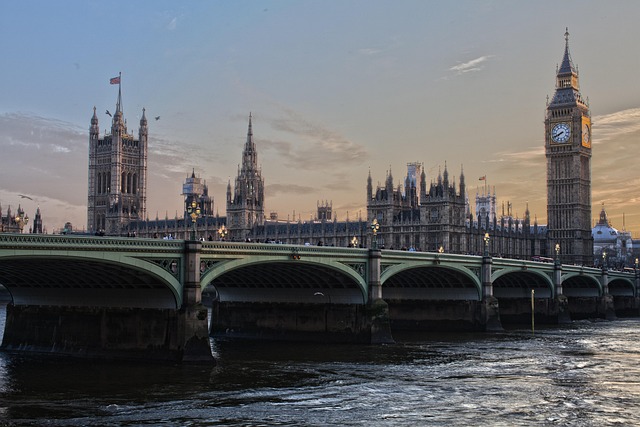
    Parliament Hill, located in Ottawa, Ontario, is not just the seat of the Canadian government but also a symbol of national pride and democracy. Its impressive Gothic Revival architecture attracts millions of visitors each year who come to witness history in the making.

    Parliament Hill,Ottawa,Canada skyline

    The Historical Roots

    Construction of the original Parliament buildings began in 1859, but after a devastating fire in 1916, they were rebuilt to the designs still mesmerizing visitors today. The iconic Centre Block, featuring the Peace Tower, is a centerpiece of Canadian governance where important decisions are made that affect the lives of Canadians nationwide.

    A Hub of Political Activity

    Parliament Hill serves as a backdrop for significant political events, protests, and ceremonies, embodying the Canadian spirit of democracy. It is where elected Members of Parliament gather to debate vital issues, representing the voices of Canadians from coast to coast.

    The Changing Landscape

    Over the years, Parliament Hill has evolved, symbolizing the resilience and progress of Canada. Various modernized facilities and art installations have been added to reflect the cultural diversity of the country and commemorate significant historical milestones.

    Parliament Hill modern,Canada government building

    Visiting Parliament Hill

    Visitors can experience guided tours, witness live debates from the public galleries, or enjoy special events like Canada Day celebrations. The lush grounds and striking architecture invite exploration and reflection on the values that unite Canadians.

    A Call to Action

    Whether you’re a local or a tourist, visiting Parliament Hill is an essential part of engaging with Canada’s democratic process. It’s a space that encourages civic involvement and appreciation of the heritage that shapes Canada today.
  • Delicious Frittata: An Italian Recipe for Everyone

    Delicious Frittata: An Italian Recipe for Everyone

    Frittata: Recette Italienne

    La frittata est un plat italien simple et savoureux, parfait pour un petit déjeuner ou un brunch. Voici une version rapide que vous pouvez préparer facilement avec des ingrédients disponibles au Canada.

    Ingrédients

    • 6 œufs
    • 1 tasse de légumes (poivrons, épinards, oignons)
    • 1/2 tasse de fromage (mozzarella ou feta)
    • 2 c. à soupe d’huile d’olive
    • Sel et poivre au goût

    Instructions

    1. Préchauffez le four à 375°F (190°C).
    2. Dans une poêle, faites chauffer l’huile d’olive et ajoutez les légumes jusqu’à ce qu’ils soient tendres.
    3. Battez les œufs avec le sel et le poivre, puis versez-les sur les légumes.
    4. Ajoutez le fromage sur le dessus et cuisez pendant 5 minutes avant de transférer au four.
    5. Faites cuire au four pendant 15 minutes ou jusqu’à ce que les œufs soient pris.

    frittata,italian,recipe

    Frittata: Italian Recipe

    The frittata is a delightful Italian dish, perfect for breakfast or brunch. Here’s a quick version you can whip up easily with ingredients available in Canada.

    Ingredients

    • 6 eggs
    • 1 cup of veggies (bell peppers, spinach, onions)
    • 1/2 cup cheese (mozzarella or feta)
    • 2 tbsp olive oil
    • Salt and pepper to taste

    Instructions

    1. Preheat the oven to 375°F (190°C).
    2. In a skillet, heat olive oil and sauté the veggies until tender.
    3. Beat the eggs with salt and pepper, then pour over the veggies.
    4. Add cheese on top and cook for 5 minutes before transferring to the oven.
    5. Bake for 15 minutes or until the eggs are set.

    frittata,easy,quick

    Frittata: Ricetta Italiana

    La frittata è un piatto italiano delizioso, perfetto per colazione o brunch. Ecco una versione veloce che puoi preparare facilmente con ingredienti disponibili in Canada.

    Ingredienti

    • 6 uova
    • 1 tazza di verdure (peperoni, spinaci, cipolle)
    • 1/2 tazza di formaggio (mozzarella o feta)
    • 2 cucchiai di olio d’oliva
    • Sale e pepe a piacere

    Istruzioni

    1. Preriscalda il forno a 375°F (190°C).
    2. In una padella, scalda l’olio d’olio e soffriggi le verdure fino a quando sono tenere.
    3. Sbatti le uova con sale e pepe, poi versa sopra le verdure.
    4. Aggiungi il formaggio sopra e cucina per 5 minuti prima di trasferire nel forno.
    5. Cuoci in forno per 15 minuti o fino a quando le uova sono cotte.

    frittata,cooking,home

  • The Legacy of the Canadian Parliament Hill

    The Heart of Canada’s Government

    Parliament Hill, located in Ottawa, is more than just the seat of Canada’s government; it is a symbol of national unity, democracy, and pride. The stunning neo-Gothic architecture captivates visitors, drawing them into its rich history and pivotal role in shaping the Canadian identity.

    Parliament Hill, Ottawa, historic

    A Landmark of Change

    Originally constructed in the 19th century, Parliament Hill has witnessed numerous historical events from debates on pivotal laws to important speeches that have defined Canada’s path. Its grounds are often bustling with citizens, tourists, and dignitaries alike, reflecting the building’s integral role in Canadian civic life.

    Preserving Heritage

    In 1916, a fire devastated the original Centre Block, leading to its reconstruction that finished in 1927. Despite modern renovations, the essence of the original design remains intact, serving as a reminder of resilience through crises. Today, Parliament Hill is also noted for its visitor accessibility, offering free tours that connect Canadians with their governmental processes.

    Image placeholder for: modern Parliament Hill, Canada, current

    Unable to load image at this time

    A Gathering Place for Canadians

    Parliament Hill is not just a hub for legislative action; it is also a gathering place for celebrations such as Canada Day festivities. Every July 1, thousands flock to the Hill to participate in events that celebrate Canadian heritage and culture, solidifying the site’s significance in contemporary society.

    Visitors can learn about Canada’s history through various memorials located on the grounds, including the iconic Peace Tower and the Centennial Flame. These landmarks serve as reminders of the sacrifices made for the freedom and democracy of Canadians today.

    Conclusion

    Parliament Hill stands as a testament to Canada’s democratic values and history. Whether visiting for its architectural beauty or participating in cultural events, it remains a beloved cornerstone of Canadian identity. A visit to this historic site is essential for anyone looking to gain insight into the nation’s past and its ongoing story.

    Experience the magic of Parliament Hill yourself. Plan your visit today!

  • Zaatar Manakish: A Tasty Lebanese Flatbread Recipe

    Zaatar Manakish: A Tasty Lebanese Flatbread Recipe

    Manakish au Zaatar: Une Recette Libanaise

    Le Manakish au Zaatar est une délicieuse galette libanaise qui plaira à tous. Facile à réaliser et parfaite pour un brunch ou un en-cas, voici comment la préparer.

    Ingrédients :

    • 2 tasses de farine
    • 1 tasse d’eau tiède
    • 2 c. à café de levure boulangère
    • 1/4 tasse d’huile d’olive
    • 3 c. à soupe de zaatar
    • 1 c. à café de sel
    • 2 c. à soupe de fromage feta émietté (facultatif)

    Instructions :

    1. Mélangez la farine, le sel et la levure dans un grand bol.
    2. Ajoutez l’eau et l’huile d’olive. Pétrissez jusqu’à obtenir une pâte lisse.
    3. Laissez reposer pendant 1 heure.
    4. Préchauffez votre four à 220°C (425°F).
    5. Étalez la pâte, badigeonnez-la d’huile d’olive et saupoudrez de zaatar.
    6. Ajoutez le fromage si vous le souhaitez, puis faites cuire pendant 10-15 minutes.
    7. Servez chaud et savourez !

    manakish,zaatar,lebanese flatbread

    Zaatar Manakish: A Lebanese Flatbread Recipe

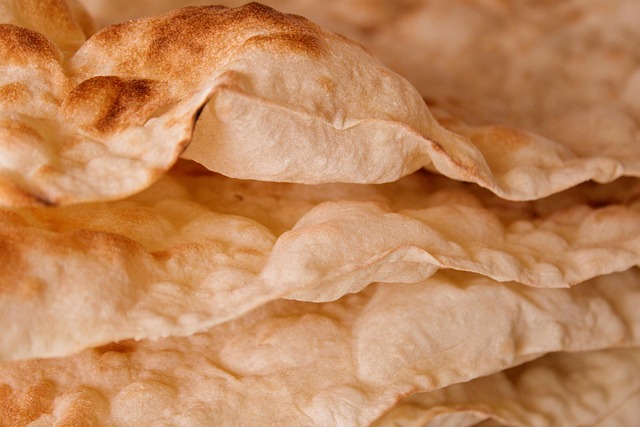
    Zaatar Manakish is a tasty Lebanese flatbread that’s perfect for breakfast or a tasty snack. Here’s how to make it!

    Ingredients:

    • 2 cups of flour
    • 1 cup warm water
    • 2 teaspoons of yeast
    • 1/4 cup olive oil
    • 3 tablespoons zaatar
    • 1 teaspoon salt
    • 2 tablespoons crumbled feta cheese (optional)

    Instructions:

    1. In a large bowl, mix flour, salt, and yeast.
    2. Add water and olive oil. Knead until smooth.
    3. Let rise for 1 hour.
    4. Preheat your oven to 220°C (425°F).
    5. Roll out the dough, brush with olive oil, and sprinkle zaatar on top.
    6. Add cheese if desired, then bake for 10-15 minutes.
    7. Serve warm and enjoy!

    zaatar manakish,lebanese flatbread,baking

    منقوشة الزعتر

    منقوشة الزعتر هي نوع من الفطائر اللبنانية التي تتميز بطعمها الرائع. إليكم كيفية تحضيرها!

    المكونات:

    • 2 كوب دقيق
    • 1 كوب ماء دافئ
    • 2 ملعقة صغيرة خميرة
    • 1/4 كوب زيت زيتون
    • 3 ملعقة كبيرة زعتر
    • 1 ملعقة صغيرة ملح
    • 2 ملعقة كبيرة جبنة فيتا، مفروكة (اختياري)

    خطوات التحضير:

    1. في وعاء كبير، اخلطي الدقيق والملح والخميرة.
    2. أضيفي الماء وزيت الزيتون، واعجني حتى تحصلي على عجينة ناعمة.
    3. اتركيها لتختمر لمدة ساعة.
    4. سخني الفرن لدرجة حرارة 220 مئوية (425 فهرنهايت).
    5. افردي العجينة، وادهنيها بزيت الزيتون، ورشي عليها الزعتر.
    6. أضيفي الجبنة إذا أردت، ثم اخبزيها لمدة 10-15 دقيقة.
    7. قدميها ساخنة واستمتعي!

    zaatar recipe,lebanese cuisine,flatbread

  • The Historic Significance of Signal Hill in St. John’s, Newfoundland

    The Historic Significance of Signal Hill in St. John’s, Newfoundland

    Signal Hill: A National Historic Site

    Signal Hill is not only a breathtaking vista point in St. John’s, Newfoundland, but it is also a site rich in history. Overlooking the city and offering panoramic views of the Atlantic Ocean, this hill has played a crucial role in Canada’s military and communications history.

    Signal Hill, St. John's, Newfoundland Old Photo

    A Historical Landmark

    Constructed in the late 17th century, Signal Hill was initially designed to protect the harbor from enemy ships. Its most notorious moment came during the Battle of Signal Hill in 1762, where British forces defeated the French, leading to British control over Newfoundland.

    This strategic location has also served as a signaling point for ships arriving and departing from the harbor, hence its name. Today, it stands as a symbol of resilience and strategic importance in the early days of Canadian history.

    Modern-Day Significance

    In modern times, Signal Hill has become a beloved tourist destination, attracting visitors from around the world who come to marvel at its beauty and historical importance. The iconic Cabot Tower, built in 1897 to commemorate the 400th anniversary of John Cabot’s landing in North America, stands proudly at its summit. From here, visitors can enjoy breathtaking views and learn about the site’s storied past.

    Cabot Tower, Signal Hill, Newfoundland Photo

    A Legacy of Fortitude

    Signal Hill’s significance extends beyond its historical impacts; it embodies the spirit of Newfoundland and Labrador. It has inspired countless stories, songs, and artwork, enriching the cultural heritage of the province. The area remains a site for various events and commemorations, keeping the history alive for future generations.

    Conclusion

    Whether you are a history buff or a casual visitor, Signal Hill offers a unique glimpse into Canada’s past while showcasing the stunning natural beauty of Newfoundland. A visit to this historic site is a reminder of the enduring legacy of Canada’s struggle for independence and its strategic maritime heritage.

    Plan your visit to Signal Hill today to explore its rich history and breathtaking landscapes!

  • Tajine de Poulet aux Olives: Une Délicieuse Recette Marocaine

    Tajine de Poulet aux Olives: Une Délicieuse Recette Marocaine

    Tajine de Poulet aux Olives

    Ingrédients

    • 4 cuisses de poulet
    • 1 oignon, émincé
    • 2 gousses d’ail, hachées
    • 1 citron confit, coupé en quartiers
    • 200 g d’olives vertes
    • 2 cuillères à soupe d’huile d’olive
    • 1 cuillère à café de cumin
    • 1 cuillère à café de paprika
    • 1 bouquet de coriandre fraîche
    • Sel, poivre au goût

    Instructions

    1. Dans une grande poêle, faire chauffer l’huile d’olive à feu moyen.
    2. Ajouter les cuisses de poulet et dorer de chaque côté.
    3. Incorporer l’oignon, l’ail, le cumin, et le paprika; cuire jusqu’à ce que l’oignon soit tendre.
    4. Ajouter les olives et le citron confit. Couvrir et laisser mijoter 30 minutes.
    5. Garnir de coriandre fraîche avant de servir.

    Moroccan chicken, olives, traditional tajine

    Chicken Tagine with Olives

    Ingredients

    • 4 chicken thighs
    • 1 onion, sliced
    • 2 garlic cloves, minced
    • 1 preserved lemon, quartered
    • 200 g green olives
    • 2 tablespoons olive oil
    • 1 teaspoon cumin
    • 1 teaspoon paprika
    • 1 bunch fresh cilantro
    • Salt and pepper to taste

    Instructions

    1. Heat olive oil in a large skillet over medium heat.
    2. Add chicken thighs and brown on both sides.
    3. Stir in onions, garlic, cumin, and paprika; cook until the onion is tender.
    4. Add olives and preserved lemon. Cover and simmer for 30 minutes.
    5. Garnish with fresh cilantro before serving.

    chicken tagine, Moroccan cuisine, recipe

    طاجين الدجاج بالزيتون

    المكونات

    • 4 أفخاذ دجاج
    • 1 بصل، مقطع شرائح
    • 2 فصوص ثوم، مفرومة
    • 1 ليمون مخلل، مقطع إلى أرباع
    • 200 غ زيتون أخضر
    • 2 ملعقة كبيرة زيت زيتون
    • 1 ملعقة صغيرة كمون
    • 1 ملعقة صغيرة بابريكا
    • 1 حزمة كزبرة طازجة
    • ملح، فلفل حسب الذوق

    خطوات التحضير

    1. في مقلاة كبيرة، سخن زيت الزيتون على نار متوسطة.
    2. أضف أفخاذ الدجاج واطبخها حتى تتلون من الجهتين.
    3. أضف البصل والثوم والكمون والبابريكا واطبخ حتى يصبح البصل طريًا.
    4. أضف الزيتون والليمون المخلل. غطِّ المقلاة واتركها على نار هادئة لمدة 30 دقيقة.
    5. زَيِّن الطبق بالكزبرة الطازجة قبل التقديم.

    Moroccan spices, traditional tagine, delicious food

  • The Cultural Significance of Quidi Vidi Village in Newfoundland

    The Cultural Significance of Quidi Vidi Village in Newfoundland

    Quidi Vidi Village: A Glimpse into Newfoundland’s Past

    Nestled just a stone’s throw from St. John’s, Quidi Vidi Village is a picturesque community renowned for its rich history and vibrant culture. This charming village is not just a pretty face; it holds significant historical value that dates back to before European settlement.

    Quidi Vidi Village, Newfoundland, historical photos

    A Fishing Community with Deep Roots

    The origins of Quidi Vidi date back to the early 16th century, when it served as a seasonal fishing spot for the indigenous Beothuk people. The area attracted European fishers for its abundant cod stocks, which led to the establishment of permanent settlements. Today, the village is recognized for its contribution to Newfoundland’s fishing heritage and is a reflection of the province’s economy and culture.

    The Unique Architecture and Modern Day Life

    One of the most notable features of Quidi Vidi is its traditional wooden houses that line the village, painted in vibrant colors that echo the coastal landscapes. These homes not only serve as residences, but also as a symbol of the village’s rich maritime heritage and architectural charm.

    Quidi Vidi Village today, Newfoundland, modern photos

    A Hub for Arts and Culture

    Quidi Vidi has also evolved into an artistic enclave, hosting various galleries and workshops that showcase the works of local artists. The annual Regatta, a traditional rowing event, further connects the local community and celebrates the village’s nautical roots.

    Visit Quidi Vidi: A Journey Through Time

    For those seeking to experience Newfoundland’s history and scenic beauty, Quidi Vidi Village offers a perfect blend of old-world charm and modern culture. Visiting this village not only provides a taste of its stunning landscapes but also a deeper understanding of Newfoundland’s significance in Canada’s heritage.

    Plan your visit today and immerse yourself in Quidi Vidi’s rich past!

  • The Historic Significance of the Bluenose II in Nova Scotia

    The Historic Significance of the Bluenose II in Nova Scotia

    Introduction to the Bluenose II

    The Bluenose II, a majestic wooden schooner, is not just a sailing vessel; it symbolizes the maritime heritage and shipbuilding legacy of Nova Scotia. Originally launched in 1963, this vessel is a replica of the famous Bluenose, which was a prominent fishing and racing ship. The Bluenose II serves as a floating museum, a testament to the remarkable skills of Nova Scotia’s shipbuilders.

    historic ship, wooden schooner, maritime heritage

    Historical Background

    The original Bluenose was built in 1921 and became the fastest fishing schooner in the world. It competed successfully in numerous races, earning national pride for Canada. Sadly, it sank off the coast of Haiti in 1946, but its legacy lived on. The new Bluenose II was commissioned to pay homage to this iconic ship and preserve the maritime traditions of the region.

    Cultural and Economic Significance

    The Bluenose II has played a crucial role in promoting tourism in Nova Scotia, attracting visitors interested in maritime history and sailing. The vessel participates in various festivals and events, showcasing the province’s rich cultural identity. Furthermore, it serves as an ambassador for Canada, appearing on the Canadian 10-cent coin and earning a spot in the hearts of many Canadians.

    sailing ship, Bluenose II, Nova Scotia tourism

    Conclusion: A Living Legacy

    Today, the Bluenose II continues to operate, offering sailing tours and educational programs. Its significance transcends mere craftsmanship; it embodies the spirit of resilience and pride among Nova Scotians. Visiting the Bluenose II is not only a journey through history but also an opportunity to connect with the heart of Canada’s nautical legacy.

    Call to Action

    To explore more about Nova Scotia’s treasures, be sure to plan a visit to the Bluenose II. Check out this link for more information and sail into history!

  • Delicious Ratatouille: A Classic French Dish

    Delicious Ratatouille: A Classic French Dish

    Ratatouille: Une Recette Classique Française

    Le ratatouille est un plat provençal savoureux, idéal pour utiliser vos légumes frais. Voici comment le réaliser facilement chez vous !

    Ingrédients :

    • 1 aubergine
    • 1 courgette
    • 1 poivron rouge
    • 1 oignon
    • 2 tomates
    • 2 gousses d’ail
    • Huile d’olive
    • Herbes de Provence

    Instructions :

    1. Coupez tous les légumes en dés.
    2. Dans une grande poêle, faites chauffer l’huile d’olive. Ajoutez l’oignon et l’ail hachés et faites revenir.
    3. Ajoutez les aubergines et les poivrons; faites cuire jusqu’à ce qu’ils soient tendres.
    4. Incorporez ensuite les courgettes et les tomates. Assaisonnez avec les herbes de Provence.
    5. Laissez mijoter 20 minutes à feu doux. Servez chaud.

    ratatouille,vegetables,dish

    Ratatouille: A Classic French Recipe

    Ratatouille is a classic Provençal dish, perfect for showcasing fresh vegetables. Here’s how to make it easily at home!

    Ingredients:

    • 1 eggplant
    • 1 zucchini
    • 1 red bell pepper
    • 1 onion
    • 2 tomatoes
    • 2 cloves garlic
    • Olive oil
    • Herbes de Provence

    Instructions:

    1. Dice all the vegetables.
    2. In a large pan, heat olive oil. Add chopped onion and garlic, sautéing until fragrant.
    3. Add eggplant and bell peppers; cook until tender.
    4. Stir in zucchini and tomatoes. Season with Herbes de Provence.
    5. Let simmer for 20 minutes on low heat. Serve hot.

    ratatouille,vegetables,dish

    Ratatouille: Une Recette Traditionnelle Française

    Voici la recette de la ratatouille, un plat emblématique de la cuisine française, qui fait la joie des amoureux des légumes.

    Ingrédients :

    • 1 aubergine
    • 1 courgette
    • 1 poivron rouge
    • 1 oignon
    • 2 tomates
    • 2 gousses d’ail
    • Huile d’olive
    • Herbes de Provence

    Étapes :

    1. Coupez les légumes en dés uniformes.
    2. Chauffez l’huile d’olive dans une grande poêle. Faites-y revenir l’oignon et l’ail.
    3. Ajoutez l’aubergine et le poivron. Faites cuire jusqu’à tendreté.
    4. Incorporez la courgette et les tomates. Assaisonnez avec les herbes de Provence.
    5. Laissez mijoter à feu doux pendant 20 minutes, puis servez!

    ratatouille,vegetables,dish

  • The Historic Significance of The Forks in Winnipeg

    A Meeting Place of Cultures

    The Forks in Winnipeg, Manitoba, is not just a popular recreational area; it is a site rich in history and cultural significance. Located where the Assiniboine River meets the Red River, The Forks has been a gathering place for over 6,000 years. The Indigenous peoples of the area utilized this fertile land for trade and community, setting the foundation for a cultural crossroads that continues today.

    Image placeholder for: ForksWinnipegOld,WinnipegHistory,HistoricMeetingPlace

    Unable to load image at this time

    The Site’s Evolution Through Time

    During the fur trade era, The Forks became a pivotal trading post, attracting traders from various cultures. Its strategic location allowed for easy navigation and communication between the Indigenous communities and European settlers. This blending of cultures illustrates the significance of The Forks as a central hub for social and economic exchange.

    Fast forward to today, The Forks has transformed into a vibrant public space, featuring markets, restaurants, parks, and cultural institutions. The Forks Market, with its artisanal shops and local produce, reflects the ongoing spirit of community and trade that has characterized this site for millennia.

    Image placeholder for: ForksWinnipegNew,ModernWinnipeg,PublicSpace

    Unable to load image at this time

    A Destination for All

    The Forks is now a beloved destination for both locals and tourists. Its scenic riverwalks, cultural festivals, and various recreational activities make it a perfect spot to relax and enjoy the natural beauty of Winnipeg. Events like Winterlude and the annual Indigenous Day Live celebrate the diverse cultures that have come together here.

    Visiting The Forks offers a unique glimpse into the history of Canada and an appreciation for the enduring spirit of community. Whether you are interested in history, culture, or simply enjoying time outdoors, The Forks has something for everyone.

    Experience The Forks

    If you’re in Winnipeg, make sure to explore The Forks. Take a stroll along the river, visit the market, and immerse yourself in the history that surrounds this remarkable site. Ready to plan your visit? Bring your family and friends to experience this cultural gem!