Category: Canada

  • Tacos de Poisson: A Taste of Mexico in Canada

    Tacos de Poisson – Recette

    Ces tacos de poisson, simples et savoureux, sont parfaits pour un repas décontracté à la maison.

    Ingrédients

    • 400g de filets de poisson blanc
    • 4 tortillas de maïs
    • 1 avocat, tranché
    • 1 petite oignon rouge, haché
    • Jus d’un citron vert
    • Épices au goût (cumin, paprika)
    • Sel et poivre

    Étapes

    1. Assaisonner le poisson avec les épices, le sel et le poivre.
    2. Cuire le poisson dans une poêle avec un peu d’huile.
    3. Chauffez les tortillas dans une autre poêle.
    4. Assembler les tacos en ajoutant le poisson, l’avocat et l’oignon.
    5. Arrosez de jus de citron vert et servez chaud.

    Fish Tacos – Recipe

    This easy and delicious fish taco recipe is perfect for a casual meal at home.

    Ingredients

    • 400g white fish fillets
    • 4 corn tortillas
    • 1 avocado, sliced
    • 1 small red onion, chopped
    • Juice of one lime
    • Spices to taste (cumin, paprika)
    • Salt and pepper

    Instructions

    1. Season the fish with spices, salt, and pepper.
    2. Cook the fish in a skillet with a bit of oil.
    3. Warm the tortillas in a separate pan.
    4. Assemble tacos by adding fish, avocado, and onion.
    5. Drizzle with lime juice and serve warm.

    Tacos de Pescado – Receta

    Esta receta de tacos de pescado es fácil y deliciosa, ideal para una comida informal en casa.

    Ingredientes

    • 400g de filetes de pescado blanco
    • 4 tortillas de maíz
    • 1 aguacate, en rodajas
    • 1 cebolla roja pequeña, picada
    • Jugo de un limón
    • Especias al gusto (comino, pimentón)
    • Sal y pimienta

    Instrucciones

    1. Condimentar el pescado con las especias, la sal y la pimienta.
    2. Cocinar el pescado en una sartén con un poco de aceite.
    3. Calentar las tortillas en otra sartén.
    4. Armar los tacos agregando el pescado, el aguacate y la cebolla.
    5. Rociar con jugo de limón y servir caliente.
  • The Cultural Importance of the Royal Ontario Museum in Toronto

    The Cultural Importance of the Royal Ontario Museum in Toronto

    A Symbol of Knowledge and Culture

    The Royal Ontario Museum (ROM), located in Toronto, is a cornerstone of cultural history and natural sciences in Canada. Established in 1912, it has been a beacon of education and heritage, drawing millions of visitors each year.

    Historical Significance

    The museum’s foundation was laid with the goal of making diverse artworks and artifacts accessible to the public. Its diverse collections span various cultures and eras, showcasing Canadian history alongside international relics. The ROM is known for its extensive collection of Canadian First Nations artifacts, providing a glimpse into the rich indigenous history of the region.

    Modern Expansion and Relevance

    Over the years, the ROM has undergone significant renovations, including the iconic Michael Lee-Chin Crystal addition completed in 2007. This architectural marvel symbolizes the museum’s commitment to innovation and adaptation in today’s world.

    A Hub for the Future

    Today, the Royal Ontario Museum continues to serve as a vital educational resource, hosting exhibitions that tackle contemporary issues, thus keeping the conversation about culture and history alive. It also offers various programs aimed at youth and families, encouraging a deep connection with Canada’s multicultural fabric.

    Conclusion

    The Royal Ontario Museum is more than just a place to view artifacts; it is a dynamic institution that plays a critical role in preserving and promoting cultural heritage in Canada. By visiting, you are not only learning about the past but also engaging with the future of cultural preservation.

    Visit the Royal Ontario Museum website for more information on current exhibitions and updates.

  • The Historic Significance of the Fortress of Louisbourg

    A Glimpse into Canada’s Colonial Past

    Standing proudly on the shores of Cape Breton Island, the Fortress of Louisbourg is a vibrant testament to Canada’s colonial history. Established in the early 18th century, this fortified town was once a bustling center of trade, culture, and military prowess. Today, it is a National Historic Site, inviting visitors to explore its rich heritage.

    The Evolution of a Strategic Fortress

    Louisbourg was originally constructed by the French in 1713 and served as a key strategic harbor for North Atlantic shipping. Its impressive walls and bastions are evidence of the military significance that this town held against British invasion and its role in the broader rivalry between France and England over control of North America.

    Over the decades, Louisbourg experienced a series of conflicts, including sieges and occupations. Its eventual fall to the British in 1760 marked a significant change in control over the region, leading to the eventual establishment of Canada as a British colony.

    A Living History Museum

    Today, the Fortress of Louisbourg operates as a living history museum, offering reenactments and interactive exhibits. Visitors can stroll through the reconstructed buildings, witness demonstrations of 18th-century life, and engage with costumed interpreters who bring the past to life. This immersive experience fosters a deeper understanding of the cultural exchanges and conflicts that shaped Canadian history.

    Conclusion: Reflecting on Our Heritage

    The Fortress of Louisbourg serves not only as a reminder of Canada’s colonial struggles but also as a celebration of resilience and adaptation. By preserving and showcasing this site, Canada honors the complex narratives of its past, inviting new generations to reflect on the intricate tapestry of its history.

    If you’re looking for a unique destination that combines history, education, and breathtaking views, consider visiting the Fortress of Louisbourg. Immerse yourself in the stories of the past and gain a greater appreciation for the nation’s heritage.

  • Arepas: A Traditional Colombian Dish Made Easy in Canada

    Arepas : Un plat traditionnel colombien facile à réaliser au Canada

    Les arepas sont une délicieuse spécialité de la Colombie, savoureuses et polyvalentes, parfaites pour un repas rapide. Voici comment les préparer à la maison!

    Ingrédients

    • 2 tasses de farine de maïs précuite
    • 2 tasses d’eau
    • 1 cuillère à café de sel
    • Huile pour la cuisson
    • Garnitures au choix : fromage, avocat, viande ou légumes

    Instructions

    1. Mélangez la farine de maïs, l’eau et le sel dans un bol jusqu’à obtenir une pâte souple.
    2. Formez des boules de pâte (environ 1/4 de tasse chacune) et aplatissez-les en galettes.
    3. Faites chauffer l’huile dans une poêle à feu moyen et ajoutez les arepas.
    4. Cuir chaque côté pendant 4-5 minutes ou jusqu’à ce qu’ils soient dorés.
    5. Garnissez-les à votre goût et dégustez!

    Arepas: A Traditional Colombian Dish Made Easy in Canada

    Arepas are a delightful Colombian staple, tasty and versatile, perfect for a quick meal. Here’s how to make them at home!

    Ingredients

    • 2 cups pre-cooked corn flour
    • 2 cups water
    • 1 teaspoon salt
    • Oil for cooking
    • Your choice of toppings: cheese, avocado, meat, or veggies

    Instructions

    1. Mix the corn flour, water, and salt in a bowl until you get a smooth dough.
    2. Form dough balls (about 1/4 cup each) and flatten them into patties.
    3. Heat oil in a skillet over medium heat and add the arepas.
    4. Cook each side for 4-5 minutes or until golden brown.
    5. Top as desired and enjoy!

    Arepas: Una Comida Tradicional Colombiana

    Las arepas son un manjar colombiano, sabrosas y versátiles. ¡Aquí te mostramos cómo prepararlas!

    Ingredientes

    • 2 tazas de harina de maíz precocida
    • 2 tazas de agua
    • 1 cucharadita de sal
    • Aceite para cocinar
    • Rellenos al gusto: queso, aguacate, carne o verduras

    Instrucciones

    1. Mezcla la harina de maíz, el agua y la sal en un bol hasta obtener una masa suave.
    2. Forma bolitas de masa (aproximadamente 1/4 de taza cada una) y aplánalas en forma de tortas.
    3. Calienta el aceite en una sartén a fuego medio y añade las arepas.
    4. Cocina cada lado durante 4-5 minutos o hasta que estén doradas.
    5. Rellena al gusto y ¡disfruta!
  • Discovering the Significance of the Citadel in Halifax, Nova Scotia

    A Historic Fortification

    The Halifax Citadel, a prominent star-shaped fortress, has stood guard over the harbor of Halifax since its establishment in 1749. This stronghold was built to protect the city and its naval base, signifying its importance in Canada’s military history. Over the centuries, it played a crucial role in defending against various threats, making it a key part of Halifax’s identity.

    A Place of Heritage

    Today, the Citadel is a National Historic Site of Canada, attracting thousands of visitors each year. The fort showcases life during the 18th and 19th centuries through reenactments, exhibitions, and guided tours. Visitors can experience the stunning architecture and breathtaking views of Halifax harbor from its ramparts, making it a must-visit destination for history enthusiasts and tourists alike.

    Ongoing Legacy

    The significance of the Halifax Citadel extends beyond its military functions; it is a symbol of resilience and strategic importance throughout Canadian history. The site’s ongoing preservation allows future generations to appreciate its heritage and understand the historical context of the region. The Citadel continues to foster a strong sense of community while celebrating Canada’s diverse history.

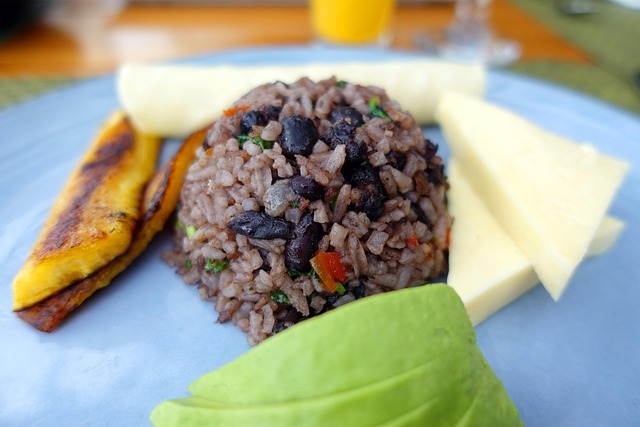
  • Gallo Pinto: A Traditional Dish from Costa Rica

    Gallo Pinto: A Traditional Dish from Costa Rica

    Gallo Pinto : Un plat traditionnel du Costa Rica

    Le Gallo Pinto est un plat savoureux et réconfortant que vous pouvez préparer facilement au Canada. Parfait pour le petit déjeuner ou le déjeuner, ce plat combine riz et haricots avec des épices. Voici comment le préparer.

    Ingrédients :

    • 1 tasse de riz cuit
    • 1 tasse d’haricots noirs cuits
    • 1/2 oignon, haché
    • 1 poivron, haché
    • 2 cuillères à soupe de sauce soja
    • Huile d’olive
    • Persil frais, haché

    Instructions :

    1. Dans une poêle, faites chauffer l’huile d’olive.
    2. Ajoutez l’oignon et le poivron ; faites revenir jusqu’à ce qu’ils soient tendres.
    3. Incorporez les haricots, le riz et la sauce soja ; mélangez bien.
    4. Puis, laissez cuire pendant 5 minutes.
    5. Parsemez de persil frais avant de servir.

    gallo pinto, rice and beans, Costa Rican dish

    Gallo Pinto: A Traditional Dish from Costa Rica

    Gallo Pinto is a delicious and comforting dish you can easily prepare in Canada. Perfect for breakfast or lunch, this dish combines rice and beans with spices. Here’s how to make it.

    Ingredients:

    • 1 cup cooked rice
    • 1 cup cooked black beans
    • 1/2 onion, chopped
    • 1 bell pepper, chopped
    • 2 tablespoons soy sauce
    • Olive oil
    • Fresh parsley, chopped

    Instructions:

    1. Heat the olive oil in a pan.
    2. Add the onion and bell pepper; sauté until tender.
    3. Stir in the beans, rice, and soy sauce; combine well.
    4. Cook for 5 minutes.
    5. Sprinkle with fresh parsley before serving.

    gallo pinto, rice and beans, Costa Rican dish

    Gallo Pinto: Un Plato Tradicional de Costa Rica

    El Gallo Pinto es un plato delicioso y reconfortante que puedes preparar fácilmente en Canadá. Perfecto para el desayuno o el almuerzo, este plato combina arroz y frijoles con especias. Aquí te mostramos cómo hacerlo.

    Ingredientes:

    • 1 taza de arroz cocido
    • 1 taza de frijoles negros cocidos
    • 1/2 cebolla, picada
    • 1 pimiento, picado
    • 2 cucharadas de salsa de soja
    • Aceite de oliva
    • Perejil fresco, picado

    Instrucciones:

    1. Calienta el aceite de oliva en una sartén.
    2. Agrega la cebolla y el pimiento; sofríe hasta que estén tiernos.
    3. Incorpora los frijoles, el arroz, y la salsa de soja; mezcla bien.
    4. Cocina durante 5 minutos.
    5. Decora con perejil fresco antes de servir.

    gallo pinto, rice and beans, Costa Rican dish

  • The Historic Significance of the Canadian Rockies

    The Historic Significance of the Canadian Rockies

    Discovering the Canadian Rockies

    The Canadian Rockies, a majestic mountain range that stretches through British Columbia and Alberta, serves as a breathtaking backdrop for both adventurers and historians alike. These towering peaks are not just a feast for the eyes; they represent a significant part of Canada’s natural heritage and indigenous culture.

    Canadian_Rockies,mountains,nature

    A Natural Wonder

    Designated a UNESCO World Heritage site in 1984, the Canadian Rockies are renowned for their stunning landscapes, diverse ecosystems, and unique geological features. The area is home to several national parks, including Banff and Jasper, which offer a plethora of outdoor activities such as hiking, skiing, and wildlife viewing.

    The striking beauty of these mountains has long attracted visitors from around the world. Famous glacial lakes, such as Lake Louise and Moraine Lake, showcase incredible turquoise waters surrounded by snow-capped peaks. These images of untouched nature stir a sense of peace and adventure within all who visit.

    Indigenous Heritage

    Long before European settlers arrived, the Indigenous peoples of Canada revered the Rockies as sacred lands. Tribes such as the Ktunaxa and Stoney Nakoda have rich cultural narratives associated with these mountains. They engaged in various sustainable practices and maintained a deep connection with the land, which shaped their traditions and teachings.

    Ecological Importance

    The Canadian Rockies are not just a landmark for tourists; they play a crucial role in biodiversity conservation. The region is home to a variety of flora and fauna, some of which are found nowhere else in the world. Protection efforts ensure the continued preservation of these species and their habitats. Additionally, the Rockies are vital in influencing weather patterns and serving as a water source for millions of Canadians.

    Conclusion

    In summary, the Canadian Rockies are much more than just stunning landscapes; they symbolize the intersection of natural beauty, cultural significance, and ecological preservation. As we continue to explore and enjoy these mountain ranges, it is essential to remember their historical and cultural roots and to advocate for their conservation.

    Visit the Canadian Rockies to witness this natural wonder, and immerse yourself in the rich stories that shaped both the land and its people.

  • Pisto: A Delicious Dish from Spain

    Pisto: Un Plat Délicieux d’Espagne

    Le Pisto est un plat traditionnel espagnol, ressemblant à la ratatouille, mais avec une touche ibérique. Idéal pour un repas léger ou comme accompagnement! Suivez cette recette simple pour le préparer chez vous.

    Ingrédients :

    • 2 courgettes, coupées en dés
    • 1 aubergine, coupée en dés
    • 1 poivron rouge, haché
    • 1 oignon, haché
    • 2 gousses d’ail, émincées
    • 400 g de tomates concassées
    • Huile d’olive
    • Sel et poivre au goût

    Instructions :

    1. Chauffez l’huile d’olive dans une grande poêle à feu moyen.
    2. Ajoutez l’oignon et l’ail, faites sauter jusqu’à ce qu’ils soient tendres.
    3. Ajoutez l’aubergine, le poivron rouge et les courgettes; faites cuire pendant 10 minutes.
    4. Incorporez les tomates et assaisonnez de sel et de poivre. Cuisez pendant 15 minutes de plus.
    5. Servez chaud, avec un œuf au plat au-dessus si désiré.

    Pisto: A Delicious Dish from Spain

    Pisto is a traditional Spanish dish, resembling ratatouille but with an Iberian twist. Ideal for a light meal or as a side! Follow this easy recipe to whip it up at home.

    Ingredients:

    • 2 zucchinis, diced
    • 1 eggplant, diced
    • 1 red bell pepper, chopped
    • 1 onion, chopped
    • 2 cloves garlic, minced
    • 400 g canned diced tomatoes
    • Olive oil
    • Salt and pepper to taste

    Instructions:

    1. Heat olive oil in a large pan over medium heat.
    2. Add onion and garlic; sauté until soft.
    3. Add eggplant, red pepper, and zucchini; cook for 10 minutes.
    4. Stir in the tomatoes and season with salt and pepper. Cook for another 15 minutes.
    5. Serve hot, topped with a fried egg if desired.

    Pisto: Un Plat Traditionnel Espagnol

    Le pisto est un plat traditionnel espagnol, similaire à la ratatouille, mais avec une saveur ibérique distinctive. Parfait pour un repas léger ou comme accompagnement, voici la recette!

    Ingrédients :

    • 2 calabacines, en dados
    • 1 berenjena, en dados
    • 1 pimiento rojo, picado
    • 1 cebolla, picada
    • 2 dientes de ajo, picados
    • 400 g de tomates enlatados, troceados
    • Aceite de oliva
    • Sal y pimienta al gusto

    Instrucciones:

    1. Calienta el aceite de oliva en una sartén grande a fuego medio.
    2. Agrega la cebolla y el ajo, y sofríe hasta que estén tiernos.
    3. Incorpora la berenjena, el pimiento rojo y los calabacines; cocina durante 10 minutos.
    4. Añade los tomates y sazona con sal y pimienta. Cocina otros 15 minutos.
    5. Sirve caliente, con un huevo frito encima si lo deseas.
  • The Historic Significance of Old Quebec City

    Discovering Old Quebec City: A UNESCO World Heritage Site

    Old Quebec City is a treasure trove of history and culture, recognized as a UNESCO World Heritage site for its well-preserved architecture and rich past. Nestled on the bank of the Saint Lawrence River, it serves as a living testament to Canada’s colonial history and French-speaking heritage.

    A Glimpse into the Past

    As one of the oldest cities in North America, Old Quebec was founded in 1608 by Samuel de Champlain. The city played a crucial role in the development of Canada, serving as a major military and administrative center for the French colonial empire in the New World. Its cobblestone streets wind through centuries-old buildings, many of which still exhibit their original fortifications.

    Architectural Wonders

    Among the architectural highlights is the iconic Château Frontenac, a grand hotel that has become synonymous with the city. Built in the late 19th century, it showcases stunning medieval-inspired design and offers breathtaking views of the river and the surrounding landscape.

    Modern-Day Significance

    Today, Old Quebec remains a vibrant hub of culture and tourism. Visitors can explore various museums, galleries, and boutiques, immersing themselves in the local arts scene and culinary delights. It hosts numerous festivals, including the Winter Carnival, which draws visitors from around the world to celebrate the magic of winter.

    Conclusion

    Old Quebec City is not just a remarkable historical site; it embodies the spirit of Canada’s unique blend of cultures. Its preservation allows future generations to connect with their heritage while enjoying the lively atmosphere it offers today.

    Whether you’re a history buff or just looking for a picturesque destination, Old Quebec City is a must-visit location that showcases the enduring legacy of Canada’s past.

  • Shakshuka: A Delicious Dish from Israel

    Shakshuka: Un plat délicieux d’Israël

    Shakshuka est un plat israélien savoureux et coloré, parfait pour le brunch ou un dîner léger. Voici comment le préparer rapidement !

    Ingrédients:

    • 4 œufs
    • 1 boîte de tomates concassées (400g)
    • 1 oignon, haché
    • 1 poivron rouge, coupé en dés
    • 2 gousses d’ail, émincées
    • 1 cuillère à café de cumin
    • 1 cuillère à café de paprika
    • Sel et poivre au goût
    • Huile d’olive
    • Persil frais pour garnir

    Instructions:

    1. Dans une poêle, chauffez l’huile d’olive à feu moyen et faites revenir l’oignon et le poivron jusqu’à ce qu’ils soient tendres.
    2. Ajoutez l’ail, le cumin et le paprika et faites cuire pendant une minute.
    3. Incorporez les tomates, salez et poivrez. Laissez mijoter pendant 10 minutes.
    4. Faites des petits creux dans le mélange et cassez-y les œufs. Couvrez et cuisez jusqu’à ce que les blancs soient pris.
    5. Servez avec du pain et garnissez de persil frais.

    Shakshuka: A Delicious Dish from Israel

    Shakshuka is a colorful and tasty Israeli dish, perfect for brunch or a light dinner. Here’s how to make it quickly!

    Ingredients:

    • 4 eggs
    • 1 can diced tomatoes (400g)
    • 1 onion, chopped
    • 1 red bell pepper, diced
    • 2 garlic cloves, minced
    • 1 teaspoon cumin
    • 1 teaspoon paprika
    • Salt and pepper to taste
    • Olive oil
    • Fresh parsley for garnish

    Instructions:

    1. In a skillet, heat olive oil over medium heat and sauté the onion and bell pepper until soft.
    2. Add garlic, cumin, and paprika; cook for 1 minute.
    3. Add tomatoes, salt and pepper. Simmer for 10 minutes.
    4. Make little wells in the mixture and crack the eggs into them. Cover and cook until whites are set.
    5. Serve with bread and sprinkle with fresh parsley.

    שקשוקה: מנה טעימה מישראל

    שקשוקה היא מנה צבעונית וטעימה מישראל, מושלמת לארוחת בוקר או ערב קליל. הנה איך להכין אותה במהירות!

    מרכיבים:

    • 4 ביצים
    • 1 קופסה של עגבניות קצוצות (400 ג’)
    • 1 בצל, קצוץ
    • 1 פלפל אדום, קצוץ
    • 2 שיני שום, כתושות
    • 1 כפית כמון
    • 1 כפית פפריקה
    • מלח ופלפל לפי הטעם
    • שמן זית
    • פטרוזיליה טרייה לקישוט

    הוראות:

    1. במחבת, מחממים שמן זית על חום בינוני ומקפיצים את הבצל והפלפל עד שהתרככו.
    2. מוסיפים את השום, כמון ופפריקה; מבשלים במשך דקה.
    3. מוסיפים את העגבניות, מלח ופלפל. מבשלים במשך 10 דקות.
    4. יוצרים גומות בתערובת ומניחים את הביצים בתוכם. מכסים ומבשלים עד שהחלבונים מתייצבים.
    5. מגישים עם לחם ומקשטים בפטרוזיליה טרייה.