Author: urbanslices_m9nvi6

  • Exploring the Significance of the Rideau Canal

    A Historical Waterway

    The Rideau Canal, one of Canada’s oldest and most significant waterways, stretches 202 kilometers from Kingston to Ottawa. Originally built for military purposes during the early 19th century, it played a crucial role in securing Canada’s borders against potential American invasions.

    Modern-Day Relevance

    Today, the Rideau Canal is recognized as a UNESCO World Heritage Site, attracting visitors from around the globe. It offers various recreational activities such as boating, fishing, and in winter, it transforms into the world’s largest skating rink. Thousands of residents and tourists alike enjoy skating on its frozen surface each year, a beloved Canadian tradition.

    Environmental Considerations

    Preserving the natural beauty and ecological health of the Rideau Canal has become a priority. Restoration efforts focus on maintaining the waterways and surrounding environment, ensuring it remains a vibrant habitat for wildlife while serving the community.

    Conclusion

    The Rideau Canal stands as a testament to Canada’s rich history and commitment to preserving its natural landscapes. From its military origins to a beloved recreational retreat, the canal continues to be a vital part of Canadian culture and identity.

  • Goulash: A Hearty Hungarian Dish

    Goulash: Un Plat Réconfortant Hongrois

    Le goulash est un plat délicieux et chaleureux, parfait pour les soirées canadiennes. Voici une version simple que vous pouvez préparer chez vous !

    Ingrédients

    • 1 lb de boeuf, coupé en dés
    • 2 cuillères à soupe d’huile d’olive
    • 1 oignon, haché
    • 2 gousses d’ail, émincées
    • 1 cuillère à soupe de paprika doux
    • 1 boîte de tomates en dés (400g)
    • 2 tasses de bouillon de boeuf
    • 2 pommes de terre, pelées et coupées en dés
    • Sel et poivre au goût

    Instructions

    1. Dans une grande casserole, faites chauffer l’huile et faites revenir le boeuf jusqu’à ce qu’il soit doré.
    2. Ajoutez l’oignon, l’ail et le paprika. Faites revenir jusqu’à ce que l’oignon soit tendre.
    3. Incorporez les tomates, le bouillon, et les pommes de terre. Assaisonnez avec du sel et du poivre.
    4. Couvrez et laissez mijoter pendant 1 heure ou jusqu’à ce que la viande soit tendre.

    Goulash: A Hearty Hungarian Dish

    Goulash is a delicious and warming dish, perfect for Canadian evenings. Here’s a simple version to prepare at home!

    Ingredients

    • 1 lb beef, diced
    • 2 tablespoons olive oil
    • 1 onion, chopped
    • 2 garlic cloves, minced
    • 1 tablespoon sweet paprika
    • 1 can diced tomatoes (400g)
    • 2 cups beef broth
    • 2 potatoes, peeled and diced
    • Salt and pepper to taste

    Instructions

    1. In a large pot, heat the oil and sauté the beef until browned.
    2. Add the onion, garlic, and paprika. Sauté until the onion is tender.
    3. Stir in the tomatoes, broth, and potatoes. Season with salt and pepper.
    4. Cover and let simmer for 1 hour or until the meat is tender.

    Gulyás: Egy Tartalmas Magyar Étkezés

    A gulyás egy finom és meleg étel, tökéletes a kanadai estékre. Íme egy egyszerű változat, amit otthon is elkészíthetsz!

    Hozzávalók

    • 0,5 kg marhahús, kockára vágva
    • 2 evőkanál olívaolaj
    • 1 hagyma, apróra vágva
    • 2 gerezd fokhagyma, zúzott
    • 1 evőkanál édes paprika
    • 1 doboz konzerv paradicsom (400g)
    • 2 csésze marhahúsleves
    • 2 burgonya, hámozva és kockázva
    • Só és bors ízlés szerint

    Elkészítés

    1. Egy nagy lábasban hevítsük az olajat, és pirítsuk a marhahúst, amíg meg nem barna.
    2. Adjuk hozzá a hagymát, fokhagymát és paprikát. Pirítsuk, amíg a hagyma meg nem puhul.
    3. Keverjük hozzá a paradicsomot, levest és burgonyát. Ízesítsük sóval és borssal.
    4. Fedjük le, és hagyjuk főzni 1 órán keresztül, vagy amíg a hús meg nem puhul.
  • The Cultural Heritage of the Royal Ontario Museum

    The Royal Ontario Museum (ROM) in Toronto stands as a remarkable beacon of culture and knowledge. Established in 1914, it is one of the largest museums in North America and boasts a vast collection that spans natural history, world cultures, and art.

    Its significance lies not only in its extensive artifacts but also in its role as a cultural hub that engages and educates the public. The museum’s galleries house over six million items, ranging from ancient Egyptian artifacts to contemporary art, offering visitors a glimpse into the world’s heritage.

    As a landmark, the ROM attracts millions of visitors each year, showcasing the rich diversity of human and natural history. Its architecture mirrors this idea; the original building seamlessly integrates with the modern addition known as the Michael Lee-Chin Crystal, which was completed in 2007. This striking design symbolizes a bridge between the past and the present, making it an iconic part of Toronto’s skyline.

    Moreover, the museum plays a pivotal role in conservation and research, hosting various exhibitions that not only display artifacts but also tell stories of different cultures and epochs. Events and educational programs are routinely organized to foster a deeper understanding and appreciation of history in younger generations.

    In conclusion, the Royal Ontario Museum is a treasure trove of knowledge and culture, representing the Canadian commitment to preserving diverse stories from around the globe. It not only serves as a place of learning but also as a living testament to the richness of human history.

  • Poutine: A Classic Canadian Dish

    Poutine: A Classic Canadian Dish

    Poutine: Une délicieuse spécialité canadienne

    La poutine est un plat classique et savoureux du Canada. Voici comment préparer votre propre version à la maison!

    Ingrédients :

    • 500 g de frites surgelées
    • 200 g de fromage en grains
    • 500 ml de sauce brune
    • Sel et poivre au goût

    Instructions :

    1. Faites cuire les frites selon les instructions de l’emballage.
    2. Chauffez la sauce brune dans une casserole.
    3. Dans un plat, déposez les frites chaudes.
    4. Ajoutez le fromage en grains sur les frites.
    5. Versez la sauce brune chaude sur le tout.
    6. Salez et poivez selon votre goût.

    fries,cheese,sauce

    Poutine: A Delicious Canadian Specialty

    Poutine is a classic and tasty dish from Canada. Here’s how to make your own version at home!

    Ingredients:

    • 500 g frozen French fries
    • 200 g cheese curds
    • 500 ml brown gravy
    • Salt and pepper to taste

    Instructions:

    1. Cook the fries according to the package instructions.
    2. Heat the brown gravy in a saucepan.
    3. In a dish, place the hot fries.
    4. Add cheese curds on top of the fries.
    5. Pour hot brown gravy over the entire dish.
    6. Season with salt and pepper to your liking.

    fries,cheese,sauce

    Poutine : Une spécialité du Canada

    La poutine est un plat adoré des Canadiens. Voici comment le préparer chez vous !

    Ingrédients :

    • 500 g de frites congelées
    • 200 g de fromage en grains
    • 500 ml de sauce brune
    • Sel et poivre selon le goût

    Instructions :

    1. Faites cuire les frites selon les instructions.
    2. Chauffez la sauce brune dans une casserole.
    3. Dans un plat, déposez les frites chaudes.
    4. Ajoutez les grains de fromage sur les frites.
    5. Versez la sauce brune chaude au-dessus.
    6. Salez et poivrez à votre goût.

    fries,cheese,sauce

  • The Grandeur of Banff National Park: A Jewel of Canadian Heritage

    The Grandeur of Banff National Park: A Jewel of Canadian Heritage

    Banff National Park, situated in the heart of the Canadian Rockies in Alberta, is a breathtaking expanse of nature that holds significant ecological and cultural importance. Established in 1885, it is Canada’s oldest national park, designated to protect the area’s stunning landscapes, wildlife, and cultural heritage. Today, it attracts millions of visitors each year, drawn by its majestic mountain ranges, pristine lakes, and diverse ecosystems.

    Banff National Park,mountains,Canada

    The Natural Wonders and Biodiversity

    This national park is renowned for its landscapes, which feature rugged peaks, deep valleys, and vibrant turquoise lakes, such as the famous Lake Louise. The park encompasses over 6,600 square kilometers of varied terrain, offering habitats for numerous species of flora and fauna. From grizzly bears to elk, the park plays a crucial role in biodiversity conservation. The area serves as a vital refuge for many endangered species, highlighting its ecological significance.

    Cultural Significance and Indigenous History

    Beyond its natural beauty, Banff National Park holds great cultural importance. It sits on the traditional lands of the Stoney Nakoda First Nation. The Indigenous peoples have inhabited this region for centuries, utilizing its resources for sustenance and spiritual practices. Today, efforts are ongoing to incorporate Indigenous perspectives and knowledge into park management and preservation strategies.

    A Hub for Tourism and Recreation

    Banff National Park has transformed into a significant tourist destination, offering a plethora of activities ranging from hiking and skiing to hot springs and wildlife viewing. The town of Banff, located within the park, provides amenities and services for visitors, making it a vital component of Canada’s tourism industry. With ongoing conservation efforts, the park aims to balance tourism with the need to preserve its natural and cultural heritage.

    Conclusion: A Treasure Worth Protecting

    As one of Canada’s most treasured landscapes, Banff National Park signifies the importance of preserving natural heritage while accommodating recreational needs. It serves as a reminder not only of Canada’s stunning natural beauty but also of the essential ties between the land and its Indigenous peoples. Protecting this national park is paramount for future generations to enjoy its wonders.

  • Tortilla Española: A Traditional Spanish Dish

    Tortilla Española: Un Plat Traditionnel Espagnol

    La Tortilla Española, ou omelette espagnole, est un plat délicieux et facile à préparer. Idéal pour un brunch ou un déjeuner léger, cette recette est parfaite pour ceux qui cherchent à découvrir des saveurs ibériques.

    Ingrédients :

    • 4 pommes de terre
    • 6 oeufs
    • 1 oignon (facultatif)
    • Sel et poivre au goût
    • Huile d’olive

    Instructions :

    1. Peler et couper les pommes de terre en fines rondelles.
    2. Faire chauffer l’huile d’olive dans une poêle et y ajouter les pommes de terre et l’oignon.
    3. Cuire jusqu’à ce que les pommes de terre soient tendres.
    4. Dans un bol, battre les oeufs et incorporer les pommes de terre cuites.
    5. Verser le mélange dans la poêle et cuire à feu doux jusqu’à ce que les bords soient dorés.
    6. Retirer délicatement et cuire l’autre côté.

    Tortilla Española: A Traditional Spanish Dish

    The Spanish Tortilla, or Spanish omelette, is a delicious and easy-to-make dish. Perfect for brunch or a light lunch, this recipe is ideal for those looking to explore Iberian flavors.

    Ingredients:

    • 4 potatoes
    • 6 eggs
    • 1 onion (optional)
    • Salt and pepper to taste
    • Olive oil

    Instructions:

    1. Peel and slice the potatoes into thin rounds.
    2. Heat olive oil in a skillet and add the potatoes and onion.
    3. Cook until the potatoes are tender.
    4. In a bowl, beat the eggs and stir in the cooked potatoes.
    5. Pour the mixture into the skillet and cook on low heat until the edges are golden.
    6. Carefully flip and cook the other side.

    Tortilla Española

    La Tortilla Española es un plato delicioso y fácil de preparar. Perfecto para un brunch o un almuerzo ligero, esta receta es ideal para quienes buscan explorar los sabores ibéricos.

    Ingredientes:

    • 4 patatas
    • 6 huevos
    • 1 cebolla (opcional)
    • Sal y pimienta al gusto
    • Aceite de oliva

    Instrucciones:

    1. Pelar y cortar las patatas en rodajas finas.
    2. Calentar aceite de oliva en una sartén y añadir las patatas y la cebolla.
    3. Cocinar hasta que las patatas estén tiernas.
    4. En un bol, batir los huevos e incorporar las patatas cocidas.
    5. Verter la mezcla en la sartén y cocinar a fuego lento hasta que los bordes estén dorados.
    6. Dar la vuelta con cuidado y cocinar el otro lado.
  • The Historic Significance of the Canadian Museum of History

    The Historic Significance of the Canadian Museum of History

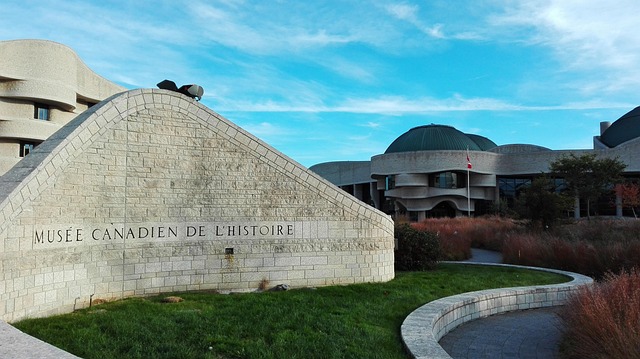
    The Canadian Museum of History, located in Gatineau, Quebec, opposite the Parliament Hill in Ottawa, is a prominent institution dedicated to the preservation and exhibition of Canadian heritage. Opened in 1989, the museum plays a vital role in educating the public about Canada’s past, its indigenous cultures, and its diverse population through various thematic exhibits and educational programs.

    Canadian Museum of History, Gatineau, Quebec

    An Architectural Marvel

    The museum’s design, created by architect Douglas Cardinal, is an architectural wonder that reflects Canada’s natural landscape and the cultural heritage of its people. Its flowing lines and organic forms symbolize the rivers and natural features that shape the nation’s identity. This design is not just pleasing to the eye; it articulates the connection between the land and its inhabitants, serving as a physical manifestation of the stories housed within its walls.

    Preserving Canadian Heritage

    With its extensive collection, the Canadian Museum of History provides insight into the lives and cultures of various communities, from Indigenous peoples to European settlers. Its exhibits showcase over 3 million artifacts that tell the story of the land and its people through time. From hands-on family activities to immersive exhibits, the museum attracts over 1.2 million visitors each year, fostering a deeper understanding of Canada’s cultural tapestry.

    Conclusion

    The Canadian Museum of History not only showcases the rich diversity of Canada but also allows visitors to reflect on the complex stories that have shaped the nation. As a significant educational resource, it emphasizes the importance of understanding history to appreciate the present and build a more inclusive future.

  • Churrasco: A Delightful Brazilian Grilled Meat Dish

    Churrasco: Recette Brésilienne

    Le churrasco est un plat brésilien emblématique, parfait pour les amateurs de viande grillée. Que ce soit pour un barbecue d’été ou un dîner décontracté, ce plat saura ravir vos invités.

    • Ingrédients :
    • 1 kg de viande de boeuf (picanha ou toute autre bonne coupe)
    • 1 cuillère à soupe de sel
    • Jus d’un citron
    • Poivre noir au goût
    • Facultatif: ail haché

    Instructions :

    1. Dans un bol, mélangez la viande avec le sel, le jus de citron, le poivre et l’ail.
    2. Préchauffez le barbecue à feu moyen.
    3. Grillez la viande environ 4-5 minutes de chaque côté, jusqu’à ce qu’elle soit cuite à votre goût.
    4. Servez chaud avec une sauce chimichurri.

    Churrasco: Brazilian Grilled Meat Recipe

    Churrasco is an iconic Brazilian dish perfect for meat lovers. Whether for a summer barbecue or a casual dinner, this dish will delight your guests.

    • Ingredients:
    • 1 kg beef (picanha or any good cut)
    • 1 tablespoon salt
    • Juice of one lemon
    • Black pepper to taste
    • Optional: minced garlic

    Instructions:

    1. In a bowl, mix the meat with salt, lemon juice, pepper, and garlic.
    2. Preheat the grill to medium heat.
    3. Grill the meat for about 4-5 minutes on each side until cooked to your liking.
    4. Serve hot with chimichurri sauce.

    Churrasco: Receita Brasileira de Carne Grelhada

    Churrasco é um prato icônico brasileiro, perfeito para os amantes de carne. Seja para um churrasco de verão ou um jantar descontraído, este prato vai encantar seus convidados.

    • Ingredientes:
    • 1 kg de carne bovina (picanha ou outro corte de sua preferência)
    • 1 colher de sopa de sal
    • Suco de um limão
    • Pimenta do reino a gosto
    • Opcional: alho picado

    Instruções:

    1. Em uma tigela, misture a carne com sal, suco de limão, pimenta e alho.
    2. Preaqueça a churrasqueira em fogo médio.
    3. Grelhe a carne por cerca de 4-5 minutos de cada lado até atingir o ponto desejado.
    4. Sirva quente com molho chimichurri.
  • Discovering the Historic Significance of the Fortress of Louisbourg

    The Fortress of Louisbourg: A Glimpse into 18th Century Life

    The Fortress of Louisbourg, located on the southeastern coast of Cape Breton Island in Nova Scotia, is a remarkable testament to Canada’s colonial history. Originally built by the French between 1719 and 1740, it served as a vital military stronghold and a bustling port for commerce and communication across the Atlantic.

    Military Significance and Economic Powerhouse

    As one of the largest fortified towns in North America, the fortress played a crucial role during the conflicts between France and Britain. Its strategic location allowed it to control access to the St. Lawrence River, making it an economic powerhouse during the early 18th century. The fortifications were designed to withstand attacks, featuring impressive walls and bastions, which reflect the military architecture of the time.

    The Fortress of Louisbourg was involved in several key battles, including the Siege of Louisbourg in 1745, where British forces captured the city, significantly weakening French influence in North America.

    Restoration and UNESCO World Heritage Site

    After years of neglect, efforts to restore the fortress began in the 1960s, leading to its designation as a National Historic Site of Canada. UNESCO recognized the Fortress of Louisbourg as a World Heritage Site in 1982, acknowledging its cultural and historical significance. Today, the site serves as a living history museum, offering visitors an immersive experience into 18th-century life, complete with costumed interpreters, traditional music, and culinary historic demonstrations.

    Conclusion

    The Fortress of Louisbourg remains a significant cultural landmark in Canada, standing as a symbol of resilience and a window into the past. By visiting, guests not only enjoy a rich historical experience but also contribute to the preservation of this important part of Canada’s heritage.

  • Pavlova: A Classic Dessert from Australia

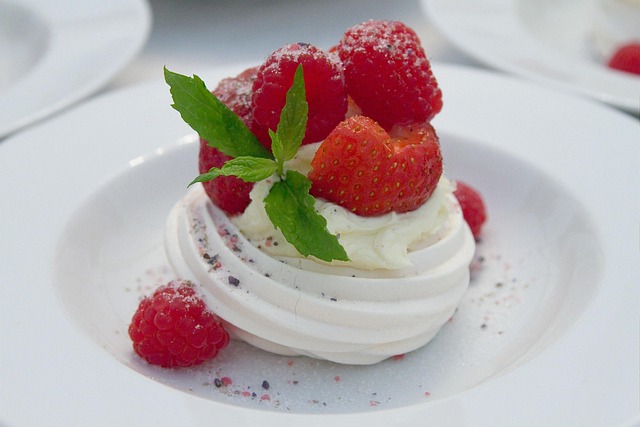
    Pavlova: A Classic Dessert from Australia

    Pavlova: Un dessert classique d’Australie

    La pavlova est un dessert léger et aérien qui ravira vos invités. Voici une recette simple à réaliser!

    • Ingrédients:
      • 4 blancs d’œufs
      • 1 tasse de sucre
      • 1 cuillère à café de vinaigre blanc
      • 2 cuillères à café de maïzena
      • Crème fouettée
      • Fruits frais (kiwis, fraises, fruits de la passion)
    • Instructions:
      1. Préchauffez le four à 120°C (250°F).
      2. Dans un bol, fouettez les blancs d’œufs jusqu’à former des pics fermes.
      3. Incorporez doucement le sucre, le vinaigre et la maïzena.
      4. Formez un disque sur une plaque de cuisson recouverte de papier sulfurisé.
      5. Faites cuire pendant 1h15, puis laissez refroidir.
      6. Garnissez de crème fouettée et de fruits frais avant de servir.

    Pavlova: A Classic Australian Dessert

    Pavlova is a light and airy dessert that will delight your guests. Here’s a simple recipe to make!

    • Ingredients:
      • 4 egg whites
      • 1 cup of sugar
      • 1 teaspoon white vinegar
      • 2 teaspoons cornstarch
      • Whipped cream
      • Fresh fruits (kiwis, strawberries, passionfruit)
    • Instructions:
      1. Preheat the oven to 120°C (250°F).
      2. In a bowl, beat the egg whites until stiff peaks form.
      3. Gently fold in the sugar, vinegar, and cornstarch.
      4. Shape into a disk on a parchment-lined baking sheet.
      5. Bake for 1 hour 15 minutes, then let cool.
      6. Top with whipped cream and fresh fruits before serving.

    Pavlova: Un dessert classique d’Australie

    La pavlova est un dessert léger et aérien qui évoque les saveurs de l’Australie. Le secret réside dans sa texture douce et sa garniture brillante de fruits frais!

    • Ingrédients:
      • 4 blancs d’œufs
      • 200 g de sucre
      • 1 c. à café de vinaigre blanc
      • 2 c. à café de fécule de maïs
      • Crème chantilly
      • Fruits frais (kiwis, fraises, fruits de la passion)
    • Instructions:
      1. Préchauffez votre four à 120°C.
      2. Battre les blancs jusqu’à obtention de pics fermes.
      3. Incorporez progressivement le sucre, le vinaigre et la fécule.
      4. Formez un disque sur une plaque recouverte de papier sulfurisé.
      5. Cuisiner pendant 75 minutes, puis laissez refroidir.
      6. Décorer avec de la crème et des fruits avant de servir.

    pavlova,dessert,fruits