Category: Canada

  • The Grandeur of Banff National Park: A Jewel of Canadian Heritage

    The Grandeur of Banff National Park: A Jewel of Canadian Heritage

    Banff National Park, situated in the heart of the Canadian Rockies in Alberta, is a breathtaking expanse of nature that holds significant ecological and cultural importance. Established in 1885, it is Canada’s oldest national park, designated to protect the area’s stunning landscapes, wildlife, and cultural heritage. Today, it attracts millions of visitors each year, drawn by its majestic mountain ranges, pristine lakes, and diverse ecosystems.

    Banff National Park,mountains,Canada

    The Natural Wonders and Biodiversity

    This national park is renowned for its landscapes, which feature rugged peaks, deep valleys, and vibrant turquoise lakes, such as the famous Lake Louise. The park encompasses over 6,600 square kilometers of varied terrain, offering habitats for numerous species of flora and fauna. From grizzly bears to elk, the park plays a crucial role in biodiversity conservation. The area serves as a vital refuge for many endangered species, highlighting its ecological significance.

    Cultural Significance and Indigenous History

    Beyond its natural beauty, Banff National Park holds great cultural importance. It sits on the traditional lands of the Stoney Nakoda First Nation. The Indigenous peoples have inhabited this region for centuries, utilizing its resources for sustenance and spiritual practices. Today, efforts are ongoing to incorporate Indigenous perspectives and knowledge into park management and preservation strategies.

    A Hub for Tourism and Recreation

    Banff National Park has transformed into a significant tourist destination, offering a plethora of activities ranging from hiking and skiing to hot springs and wildlife viewing. The town of Banff, located within the park, provides amenities and services for visitors, making it a vital component of Canada’s tourism industry. With ongoing conservation efforts, the park aims to balance tourism with the need to preserve its natural and cultural heritage.

    Conclusion: A Treasure Worth Protecting

    As one of Canada’s most treasured landscapes, Banff National Park signifies the importance of preserving natural heritage while accommodating recreational needs. It serves as a reminder not only of Canada’s stunning natural beauty but also of the essential ties between the land and its Indigenous peoples. Protecting this national park is paramount for future generations to enjoy its wonders.
  • Tortilla Española: A Traditional Spanish Dish

    Tortilla Española: Un Plat Traditionnel Espagnol

    La Tortilla Española, ou omelette espagnole, est un plat délicieux et facile à préparer. Idéal pour un brunch ou un déjeuner léger, cette recette est parfaite pour ceux qui cherchent à découvrir des saveurs ibériques.

    Ingrédients :

    • 4 pommes de terre
    • 6 oeufs
    • 1 oignon (facultatif)
    • Sel et poivre au goût
    • Huile d’olive

    Instructions :

    1. Peler et couper les pommes de terre en fines rondelles.
    2. Faire chauffer l’huile d’olive dans une poêle et y ajouter les pommes de terre et l’oignon.
    3. Cuire jusqu’à ce que les pommes de terre soient tendres.
    4. Dans un bol, battre les oeufs et incorporer les pommes de terre cuites.
    5. Verser le mélange dans la poêle et cuire à feu doux jusqu’à ce que les bords soient dorés.
    6. Retirer délicatement et cuire l’autre côté.

    Tortilla Española: A Traditional Spanish Dish

    The Spanish Tortilla, or Spanish omelette, is a delicious and easy-to-make dish. Perfect for brunch or a light lunch, this recipe is ideal for those looking to explore Iberian flavors.

    Ingredients:

    • 4 potatoes
    • 6 eggs
    • 1 onion (optional)
    • Salt and pepper to taste
    • Olive oil

    Instructions:

    1. Peel and slice the potatoes into thin rounds.
    2. Heat olive oil in a skillet and add the potatoes and onion.
    3. Cook until the potatoes are tender.
    4. In a bowl, beat the eggs and stir in the cooked potatoes.
    5. Pour the mixture into the skillet and cook on low heat until the edges are golden.
    6. Carefully flip and cook the other side.

    Tortilla Española

    La Tortilla Española es un plato delicioso y fácil de preparar. Perfecto para un brunch o un almuerzo ligero, esta receta es ideal para quienes buscan explorar los sabores ibéricos.

    Ingredientes:

    • 4 patatas
    • 6 huevos
    • 1 cebolla (opcional)
    • Sal y pimienta al gusto
    • Aceite de oliva

    Instrucciones:

    1. Pelar y cortar las patatas en rodajas finas.
    2. Calentar aceite de oliva en una sartén y añadir las patatas y la cebolla.
    3. Cocinar hasta que las patatas estén tiernas.
    4. En un bol, batir los huevos e incorporar las patatas cocidas.
    5. Verter la mezcla en la sartén y cocinar a fuego lento hasta que los bordes estén dorados.
    6. Dar la vuelta con cuidado y cocinar el otro lado.
  • The Historic Significance of the Canadian Museum of History

    The Historic Significance of the Canadian Museum of History

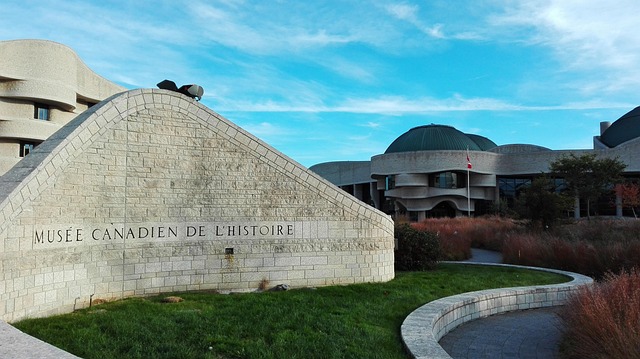
    The Canadian Museum of History, located in Gatineau, Quebec, opposite the Parliament Hill in Ottawa, is a prominent institution dedicated to the preservation and exhibition of Canadian heritage. Opened in 1989, the museum plays a vital role in educating the public about Canada’s past, its indigenous cultures, and its diverse population through various thematic exhibits and educational programs.

    Canadian Museum of History, Gatineau, Quebec

    An Architectural Marvel

    The museum’s design, created by architect Douglas Cardinal, is an architectural wonder that reflects Canada’s natural landscape and the cultural heritage of its people. Its flowing lines and organic forms symbolize the rivers and natural features that shape the nation’s identity. This design is not just pleasing to the eye; it articulates the connection between the land and its inhabitants, serving as a physical manifestation of the stories housed within its walls.

    Preserving Canadian Heritage

    With its extensive collection, the Canadian Museum of History provides insight into the lives and cultures of various communities, from Indigenous peoples to European settlers. Its exhibits showcase over 3 million artifacts that tell the story of the land and its people through time. From hands-on family activities to immersive exhibits, the museum attracts over 1.2 million visitors each year, fostering a deeper understanding of Canada’s cultural tapestry.

    Conclusion

    The Canadian Museum of History not only showcases the rich diversity of Canada but also allows visitors to reflect on the complex stories that have shaped the nation. As a significant educational resource, it emphasizes the importance of understanding history to appreciate the present and build a more inclusive future.

  • Churrasco: A Delightful Brazilian Grilled Meat Dish

    Churrasco: Recette Brésilienne

    Le churrasco est un plat brésilien emblématique, parfait pour les amateurs de viande grillée. Que ce soit pour un barbecue d’été ou un dîner décontracté, ce plat saura ravir vos invités.

    • Ingrédients :
    • 1 kg de viande de boeuf (picanha ou toute autre bonne coupe)
    • 1 cuillère à soupe de sel
    • Jus d’un citron
    • Poivre noir au goût
    • Facultatif: ail haché

    Instructions :

    1. Dans un bol, mélangez la viande avec le sel, le jus de citron, le poivre et l’ail.
    2. Préchauffez le barbecue à feu moyen.
    3. Grillez la viande environ 4-5 minutes de chaque côté, jusqu’à ce qu’elle soit cuite à votre goût.
    4. Servez chaud avec une sauce chimichurri.

    Churrasco: Brazilian Grilled Meat Recipe

    Churrasco is an iconic Brazilian dish perfect for meat lovers. Whether for a summer barbecue or a casual dinner, this dish will delight your guests.

    • Ingredients:
    • 1 kg beef (picanha or any good cut)
    • 1 tablespoon salt
    • Juice of one lemon
    • Black pepper to taste
    • Optional: minced garlic

    Instructions:

    1. In a bowl, mix the meat with salt, lemon juice, pepper, and garlic.
    2. Preheat the grill to medium heat.
    3. Grill the meat for about 4-5 minutes on each side until cooked to your liking.
    4. Serve hot with chimichurri sauce.

    Churrasco: Receita Brasileira de Carne Grelhada

    Churrasco é um prato icônico brasileiro, perfeito para os amantes de carne. Seja para um churrasco de verão ou um jantar descontraído, este prato vai encantar seus convidados.

    • Ingredientes:
    • 1 kg de carne bovina (picanha ou outro corte de sua preferência)
    • 1 colher de sopa de sal
    • Suco de um limão
    • Pimenta do reino a gosto
    • Opcional: alho picado

    Instruções:

    1. Em uma tigela, misture a carne com sal, suco de limão, pimenta e alho.
    2. Preaqueça a churrasqueira em fogo médio.
    3. Grelhe a carne por cerca de 4-5 minutos de cada lado até atingir o ponto desejado.
    4. Sirva quente com molho chimichurri.
  • Discovering the Historic Significance of the Fortress of Louisbourg

    The Fortress of Louisbourg: A Glimpse into 18th Century Life

    The Fortress of Louisbourg, located on the southeastern coast of Cape Breton Island in Nova Scotia, is a remarkable testament to Canada’s colonial history. Originally built by the French between 1719 and 1740, it served as a vital military stronghold and a bustling port for commerce and communication across the Atlantic.

    Military Significance and Economic Powerhouse

    As one of the largest fortified towns in North America, the fortress played a crucial role during the conflicts between France and Britain. Its strategic location allowed it to control access to the St. Lawrence River, making it an economic powerhouse during the early 18th century. The fortifications were designed to withstand attacks, featuring impressive walls and bastions, which reflect the military architecture of the time.

    The Fortress of Louisbourg was involved in several key battles, including the Siege of Louisbourg in 1745, where British forces captured the city, significantly weakening French influence in North America.

    Restoration and UNESCO World Heritage Site

    After years of neglect, efforts to restore the fortress began in the 1960s, leading to its designation as a National Historic Site of Canada. UNESCO recognized the Fortress of Louisbourg as a World Heritage Site in 1982, acknowledging its cultural and historical significance. Today, the site serves as a living history museum, offering visitors an immersive experience into 18th-century life, complete with costumed interpreters, traditional music, and culinary historic demonstrations.

    Conclusion

    The Fortress of Louisbourg remains a significant cultural landmark in Canada, standing as a symbol of resilience and a window into the past. By visiting, guests not only enjoy a rich historical experience but also contribute to the preservation of this important part of Canada’s heritage.

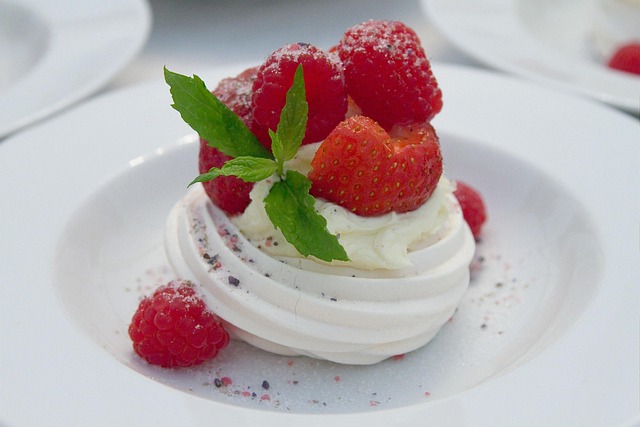
  • Pavlova: A Classic Dessert from Australia

    Pavlova: A Classic Dessert from Australia

    Pavlova: Un dessert classique d’Australie

    La pavlova est un dessert léger et aérien qui ravira vos invités. Voici une recette simple à réaliser!

    • Ingrédients:
      • 4 blancs d’œufs
      • 1 tasse de sucre
      • 1 cuillère à café de vinaigre blanc
      • 2 cuillères à café de maïzena
      • Crème fouettée
      • Fruits frais (kiwis, fraises, fruits de la passion)
    • Instructions:
      1. Préchauffez le four à 120°C (250°F).
      2. Dans un bol, fouettez les blancs d’œufs jusqu’à former des pics fermes.
      3. Incorporez doucement le sucre, le vinaigre et la maïzena.
      4. Formez un disque sur une plaque de cuisson recouverte de papier sulfurisé.
      5. Faites cuire pendant 1h15, puis laissez refroidir.
      6. Garnissez de crème fouettée et de fruits frais avant de servir.

    Pavlova: A Classic Australian Dessert

    Pavlova is a light and airy dessert that will delight your guests. Here’s a simple recipe to make!

    • Ingredients:
      • 4 egg whites
      • 1 cup of sugar
      • 1 teaspoon white vinegar
      • 2 teaspoons cornstarch
      • Whipped cream
      • Fresh fruits (kiwis, strawberries, passionfruit)
    • Instructions:
      1. Preheat the oven to 120°C (250°F).
      2. In a bowl, beat the egg whites until stiff peaks form.
      3. Gently fold in the sugar, vinegar, and cornstarch.
      4. Shape into a disk on a parchment-lined baking sheet.
      5. Bake for 1 hour 15 minutes, then let cool.
      6. Top with whipped cream and fresh fruits before serving.

    Pavlova: Un dessert classique d’Australie

    La pavlova est un dessert léger et aérien qui évoque les saveurs de l’Australie. Le secret réside dans sa texture douce et sa garniture brillante de fruits frais!

    • Ingrédients:
      • 4 blancs d’œufs
      • 200 g de sucre
      • 1 c. à café de vinaigre blanc
      • 2 c. à café de fécule de maïs
      • Crème chantilly
      • Fruits frais (kiwis, fraises, fruits de la passion)
    • Instructions:
      1. Préchauffez votre four à 120°C.
      2. Battre les blancs jusqu’à obtention de pics fermes.
      3. Incorporez progressivement le sucre, le vinaigre et la fécule.
      4. Formez un disque sur une plaque recouverte de papier sulfurisé.
      5. Cuisiner pendant 75 minutes, puis laissez refroidir.
      6. Décorer avec de la crème et des fruits avant de servir.

    pavlova,dessert,fruits

  • Discovering the Historic Significance of Old Quebec

    Exploring Old Quebec: A Living Piece of History

    Old Quebec, or Vieux-Québec, represents one of Canada’s most significant historical sites, blending European charm with rich cultural heritage. As one of the last remaining fortified cities in North America, it stands as a testament to the colonial history of Canada. This beautifully preserved area is marked by cobblestone streets, centuries-old architecture, and an atmosphere that transports visitors back in time.

    A Glimpse into the Past

    Founded in 1608 by Samuel de Champlain, Old Quebec played a pivotal role in the early development of Canada. It was the only fortified city north of Mexico, serving as a key military and trade location. Its strategic location along the St. Lawrence River made it vital for both French and British colonial interests.

    Visitors can explore landmarks such as the Château Frontenac, one of the most photographed hotels in the world, which embodies the grandeur of the era. People come from all over to walk the Plains of Abraham, where significant battles were fought, and to enjoy the vibrant culture that infuses the area with life.

    The Modern Revival

    In recent years, Old Quebec has not only preserved its historical significance but has also embraced modernization and tourism. Today, it offers a variety of restaurants, boutique shops, and art galleries, while maintaining the charm of its historical roots.

    The area has been recognized as a UNESCO World Heritage Site since 1985, signaling its global cultural importance. Efforts to protect and enhance the site have led to a flourishing community that respects its past while looking towards the future.

    Visiting Old Quebec Today

    When visiting, tourists can take guided tours to better understand the rich history, enjoy local culinary delights, or simply wander and soak in the ambiance. With seasonal events like the Winter Carnival and various festivals throughout the year, there is always something to experience in this lively district.

    Images of Old Quebec

    To appreciate the stunning beauty of Old Quebec, here are images showcasing its timeless allure:

    Conclusion

    Old Quebec is more than just a destination; it is a vivid reminder of Canada’s historical journey. Its unique blend of past and present offers visitors an enriching experience that highlights the country’s cultural mosaic.

  • Falafel Recipe: A Flavorful Dish from the Middle East

    Falafel: Une Recette Savoureuse du Moyen-Orient

    Les falafels sont de délicieuses boulettes à base de pois chiches, idéales pour un repas sain. Voici comment les préparer :

    Ingrédients :

    • 1 tasse de pois chiches secs (trempés pendant la nuit)
    • 1 oignon, finement haché
    • 2 gousses d’ail, hachées
    • 1 tasse de persil frais, haché
    • 1 cuillère à café de cumin moulu
    • 1 cuillère à soupe de farine
    • Huile pour la friture

    Instructions :

    1. Dans un mixeur, combiner les pois chiches, l’oignon, l’ail, le persil, le cumin et la farine. Mixer jusqu’à obtenir une pâte grossière.
    2. Former des petites boulettes avec la pâte.
    3. Chauffez l’huile dans une poêle, puis faites frémir les boulettes jusqu’à ce qu’elles soient dorées.

    Servez les falafels dans du pain pita avec du tahini et des légumes frais. Bon appétit!

    Falafel: A Flavorful Dish from the Middle East

    Falafel are tasty chickpea balls perfect for a healthy meal! Here’s how to make them:

    Ingredients:

    • 1 cup dried chickpeas (soaked overnight)
    • 1 onion, finely chopped
    • 2 cloves garlic, minced
    • 1 cup fresh parsley, chopped
    • 1 teaspoon ground cumin
    • 1 tablespoon flour
    • Oil for frying

    Instructions:

    1. In a food processor, blend chickpeas, onion, garlic, parsley, cumin, and flour until a rough paste forms.
    2. Shape small balls from the mixture.
    3. Heat oil in a pan, and fry the balls until golden brown.

    Serve falafel in pita bread with tahini and fresh veggies. Enjoy!

    فلافل: طبق لذيذ من الشرق الأوسط

    الفلافل كرات لذيذة مصنوعة من الحمص، مثالية لوجبة صحية! إليك كيفية تحضيرها:

    المكونات:

    • 1 كوب من الحمص المجفف (منقوع طوال الليل)
    • 1 بصلة، مفرومة ناعماً
    • 2 فص ثوم، مفروم
    • 1 كوب من البقدونس الطازج، مفروم
    • 1 ملعقة صغيرة من الكمون المطحون
    • 1 ملعقة كبيرة من الدقيق
    • زيت للقلي

    خطوات التحضير:

    1. في محضر الطعام، اخلط الحمص والبصل والثوم والبقدونس والكمون والدقيق حتى تتكون عجينة خشنة.
    2. شكل كرات صغيرة من المزيج.
    3. سخن الزيت في مقلاة، واقلي الكرات حتى تصبح ذهبية.

    قدّم الفلافل في خبز البيتا مع الطحينة والخضار الطازجة. بالصحة!

    }

  • The Significance of the Fortress of Louisbourg

    A Window into Canada’s Colonial Past

    The Fortress of Louisbourg, located on Cape Breton Island in Nova Scotia, is one of Canada’s most significant historical sites. Built in the early 18th century, this fortified town served as a strategic military base for the French during conflicts with the British and later, the Americans. Today, it stands as a testament to early colonial life and the ongoing legacy of French settlement in Canada.

    Initially established in 1713, the fortress was designed to protect French interests in North America. The town was bustling with activity, featuring shops, homes, and military installations. Its strategic position allowed France to control vital shipping routes in the North Atlantic, making it a target during various conflicts.

    In 1760, following a series of battles, the fortress ultimately fell to the British, leading to a shift in territorial control in North America. The site remained largely neglected until the 20th century when historic preservation efforts began, leading to its restoration. Today, it is a national historic site that attracts thousands of visitors each year, eager to learn about its rich history.

    A Modern-day Experience of History

    Visitors to the Fortress of Louisbourg can immerse themselves in the past through reenactments, guided tours, and interactive exhibits. The site boasts reconstructed buildings, where actors in period costumes portray the lives of the French settlers and soldiers. This unique approach brings history to life, allowing visitors to experience daily activities, from cooking to weapons training.

    Furthermore, the fortress plays a crucial role in cultural preservation, education, and tourism for Nova Scotia. As a UNESCO World Heritage site, it not only honors the history of the French presence in Canada but also promotes understanding of the colonial struggles that shaped modern Canada.

  • Irish Boxty: A Traditional Potato Dish from Ireland

    Boxty Irlandais : Une Recette Traditionnelle

    Découvrez le boxty, une délicieuse galette de pommes de terre d’Irlande. Facile à préparer, cette recette ravira vos papilles !

    Ingrédients :

    • 500g de pommes de terre
    • 150g de farine
    • 1 œuf
    • 250ml de lait
    • Sel et poivre au goût
    • Beurre pour la cuisson

    Instructions :

    1. Râpez les pommes de terre et pressez pour enlever l’excès d’eau.
    2. Mélangez les pommes de terre avec la farine, l’œuf, le lait, le sel et le poivre.
    3. Faites chauffer le beurre dans une poêle à feu moyen.
    4. Versez la préparation dans la poêle et faites cuire des deux côtés jusqu’à ce qu’ils soient dorés.

    Servez chaud et dégustez !

    Irish Boxty: A Traditional Potato Dish

    Boxty is a traditional Irish potato dish that offers a delightful combination of flavors! This easy-to-prepare recipe is perfect for a cozy meal.

    Ingredients:

    • 500g potatoes
    • 150g flour
    • 1 egg
    • 250ml milk
    • Salt and pepper to taste
    • Butter for frying

    Instructions:

    1. Grate the potatoes and squeeze out any excess water.
    2. Mix the grated potatoes with flour, egg, milk, salt, and pepper.
    3. Heat butter in a skillet over medium heat.
    4. Pour the mixture into the skillet and cook both sides until golden brown.

    Serve warm and enjoy!

    Boxty: An Éirinn Ghlan

    Is iad na comhábhair atá ag teastáil le haghaidh boxty:

    Comhábhair:

    • 500g de phlandaí
    • 150g plúr
    • 1 ubh
    • 250ml bainne
    • Salann agus piobar le blas
    • Im le haghaidh friochadh

    Treoracha:

    1. Grá na plandaí agus brúigh amach an t-uisce breise.
    2. Measc na plandaí minice le plúr, ubh, bainne, salann agus piobar.
    3. Teas im i gcastoirt ar an teallaigh teloch tarraing.
    4. Pórt an meascán isteach sna castóir agus cócaráil ar gach taobh go dtí go bhfuil sé óir.

    Freastal te agus taitneamh a bhaint as!